What Is Decorative Veneer Plywood Used For?
Decorative Veneer Plywood combines a stable plywood core with a thin layer of natural wood or engineered veneer. This structure gives builders a practical surface with the visual warmth of timber. It is commonly used for furniture, wall panels, doors, cabinetry, shelving, and built-in storage. A walnut-faced panel can add depth to a media console, while oak veneer may create a lighter, calmer interior.
Its value extends beyond appearance. The plywood core offers dependable strength, dimensional stability, and easier handling than many solid wood boards. However, performance depends on the veneer species, core quality, adhesive system, thickness, and manufacturing standards. Not every attractive panel suits every environment. Kitchens, bathrooms, and commercial interiors may require moisture-resistant grades and carefully sealed edges.
Real projects also reveal limitations. Veneer can scratch, chip, or fade when exposed to harsh use and direct sunlight. Repairs may be less forgiving than those on thick solid wood. Choosing the correct grade matters more than choosing the most dramatic grain. Product data, emissions information, and responsible sourcing certifications should be checked before purchase. Experienced installers also inspect each sheet for color variation and joint placement. Small details matter.
This guide examines where Decorative Veneer Plywood performs well and where caution is necessary. It considers practical applications, design possibilities, durability, maintenance, and installation decisions. The goal is not to present one universal answer, but to support informed choices based on the project’s function, environment, and budget.
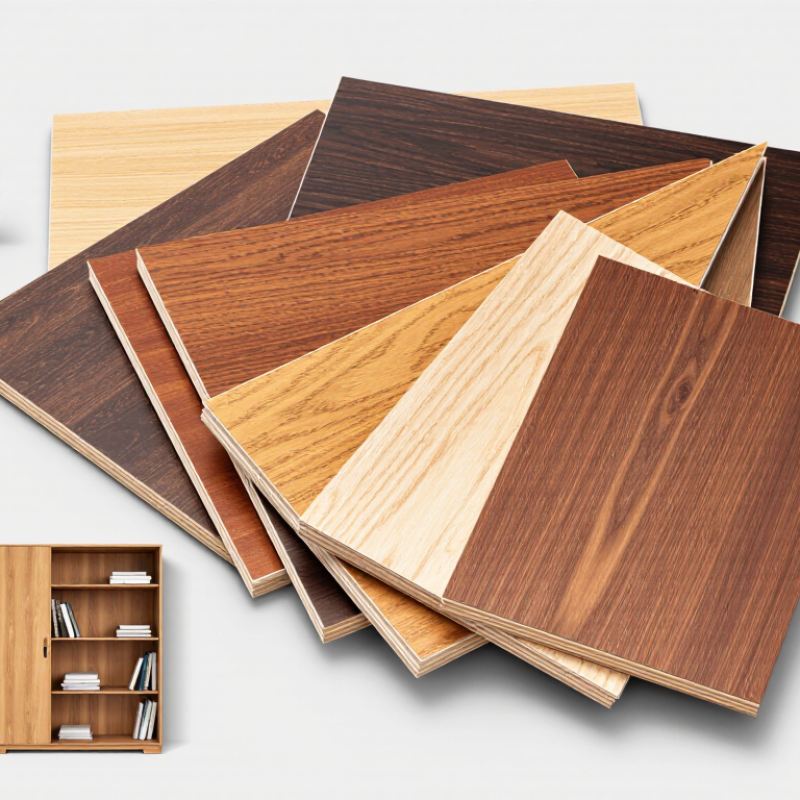
Definition and Structure of Decorative Veneer Plywood
Decorative veneer plywood is an engineered panel with a visible wood veneer on its surface. Its structure usually includes a thin face veneer, a cross-banded plywood core, and a matching back veneer. Each layer changes direction, improving stability and reducing warping. Heat and pressure bond the plies with adhesive. ISO 12465 defines plywood as a panel made from wood veneers assembled with grain directions arranged in layers. The decorative surface may use oak, walnut, ash, or other carefully selected species. It provides real wood character without requiring a solid timber board.
This structure explains its practical uses. Cabinet doors, wall panels, furniture parts, ceilings, and interior doors commonly use decorative veneer plywood. It is lighter than many solid wood alternatives and offers more predictable dimensions. FAO’s 2022 State of the World’s Forests reports that forests cover about 31% of global land. That figure reinforces the need to use wood efficiently. However, a beautiful face does not guarantee a strong panel. Core gaps, poor bonding, moisture exposure, or uneven veneer thickness can still cause failure. My own inspection experience suggests that edges reveal more than polished surfaces. Small voids matter.
Tips: Check the panel grade, veneer thickness, core quality, and formaldehyde class before purchase. Inspect edges under clear light. Ask for moisture resistance data when installing panels near sinks or exterior-facing walls. Decorative plywood is not waterproof by default. That assumption deserves reconsideration.
Common Furniture and Cabinetry Applications
Decorative Veneer Plywood for Furniture and Cabinetry
Decorative veneer plywood is widely used for furniture panels, cabinet doors, shelves, and drawer fronts. Its thin natural-wood surface gives projects a warm, finished appearance without using solid wood throughout. In a dining room, it can form a smooth sideboard top with visible grain running across the surface. In a bedroom, it works well for wardrobe doors, bedside tables, and open shelving.
Cabinetmakers often choose veneer plywood for its balance of appearance, strength, and dimensional stability. The layered core helps reduce movement when humidity changes. However, the panel still needs careful handling. Exposed edges may show the plywood layers, so installers commonly apply matching edge banding or a solid-wood strip. A clean cut matters. Dull blades can tear the decorative face and leave a rough, disappointing edge.
For kitchen and bathroom cabinetry, the finish and construction must match the environment. Sealed surfaces help protect against splashes, stains, and daily cleaning, but veneer plywood is not waterproof by itself. I would inspect the face veneer, core quality, and panel flatness before installation. Small color variations are normal because natural wood is never perfectly uniform. That imperfection can add character, although it may complicate matching doors or replacement panels later. Door alignment, handle placement, and grain direction also deserve attention, especially across wide cabinet runs.
Interior Wall, Ceiling, and Door Uses
Decorative veneer plywood is widely used for interior walls, ceilings, and doors because it combines a real wood surface with stable engineered layers. On wall panels, it creates visible grain without the weight of solid timber. Installers often leave narrow shadow gaps between sheets. These gaps control visual rhythm and allow minor movement. For ceilings, lightweight panels can cover large areas while preserving a warmer appearance than painted board. Perforated or grooved surfaces may also support acoustic design, although plywood alone is not an acoustic solution.
Doors benefit from veneer plywood because its cross-layer construction helps reduce warping. It works well for flush doors, cabinet-style entrances, and feature door faces. Still, edges need careful sealing, especially near kitchens, bathrooms, and cleaning zones. Moisture can damage the core. Fire performance also depends on the complete door assembly, not only the plywood skin. Local testing and code requirements should guide the specification.
Material sourcing deserves equal attention. The Food and Agriculture Organization’s Global Forest Resources Assessment 2020 reports that forests cover about 31% of global land area, while roughly 420 million hectares were lost between 1990 and 2020. Verified timber sources matter. The International Energy Agency and United Nations Environment Programme reported in 2023 that buildings produced 37% of global energy-related emissions. Interior materials cannot solve that problem alone. However, durable veneer surfaces may reduce replacement cycles when properly protected. That assumption needs checking on every project.
Typical Decorative Veneer Plywood Thickness by Interior Use
Common specification ranges for decorative veneer plywood used in interior walls, ceilings, doors, cabinetry, and furniture.
Wall and ceiling panels commonly use thinner sheets to reduce weight, while doors, cabinetry, and furniture generally require thicker panels for stiffness and durability. Final thickness depends on framing, span, hardware, installation method, and local building requirements.
Choosing Veneer, Core, Grade, and Finish
What Is Decorative Veneer Plywood Used For?
Decorative veneer plywood combines a thin natural wood layer with a stable engineered core. It is commonly used for cabinets, furniture panels, interior doors, wall cladding, and built-in storage. The veneer supplies visible grain, while the core provides strength and dimensional stability. In practical projects, choosing the veneer should begin with the room’s light, traffic, and moisture conditions. Oak-like grain can suit busy family spaces, while quieter grain may work better on large wall panels. Color samples are essential because showroom lighting can mislead.
The core deserves equal attention. Plywood cores usually hold screws well and resist movement, while medium-density fiber cores offer a very smooth surface for painted or finely finished panels. Choose the grade according to appearance, not just price. Clear face grades reduce patches and open defects. Lower grades may be suitable for concealed cabinet parts. They can save money. However, defects may telegraph through thin veneer after finishing. I have seen attractive sheets look uneven because the installer ignored the back face and edge condition.
Finish selection affects both appearance and service life. Clear finishes preserve grain but reveal sanding marks, glue spots, and fingerprints. Pigmented finishes hide some variation, although they can make natural veneer look less lively. Use an appropriate edge treatment to protect exposed plywood layers. Sand lightly between coats, and test the complete finish on an offcut first. A small sample often exposes problems that a full panel makes expensive. I once trusted a color chart too quickly. The installed panels looked warmer than expected. That mistake changed how I approve materials.