What Are the Top Sound Panels for Offices in 2026?
In 2026, office acoustics is no longer a decorative concern. It affects concentration, privacy, meeting quality, and employee comfort. Microsoft’s 2023 Work Trend Index reported that 68% of workers lacked uninterrupted focus time during the workday. Noise is not the only cause, but it remains an obvious one.
The right sound panels for office environments should reduce reverberation without making rooms feel sealed or lifeless. ISO 3382-3 highlights speech-related acoustic measurement in open-plan offices, while WELL Building Standard guidance connects acoustic comfort with healthier workplace performance. These frameworks suggest a practical approach: measure the room first, then select materials according to absorption, placement, fire performance, and maintenance needs. A beautiful panel can still fail when installed behind furniture or too far from reflective surfaces.
Julian Treasure, a sound and communication expert, says, “We are losing our listening.” That warning feels relevant beside a glass meeting room, a ringing phone, and six simultaneous conversations. Yet product claims deserve caution. Higher NRC ratings do not automatically create good speech privacy, and one impressive laboratory result may not match a crowded office. This guide compares the top sound panels for office use in 2026, considering performance data, installation experience, design flexibility, sustainability, and total value. The best choice may not be the most expensive one. Sometimes, the room itself is the problem.
What Office Sound Panels Are and How They Improve Workplace Acoustics
What Are the Top Sound Panels for Offices in 2026?
Office sound panels are lightweight acoustic surfaces designed to absorb reflected sound. They reduce echoes from speech, phones, keyboards, and meeting-room equipment. Unlike soundproofing, they do not completely block noise between rooms. Their main purpose is clearer, calmer communication.
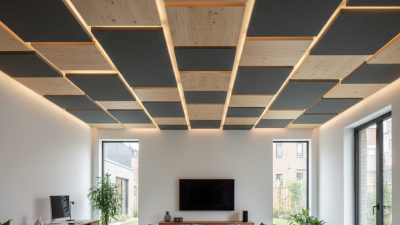
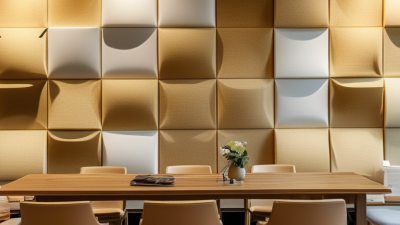
The strongest office panels in 2026 combine tested absorption with practical design. Look for panels made from recycled felt, fabric-wrapped fiber, or other low-emission materials. A published Noise Reduction Coefficient can help compare products, although one number never tells the whole story. Placement matters. Wall panels near conversation areas can soften speech reflections, while ceiling clouds can control sound in open-plan offices. Some rooms need both.
Noise remains.
In a real workplace, good acoustics depend on layout, occupancy, and surfaces. Glass walls, concrete floors, and exposed ceilings often create sharp reflections. Panels work better when installed near the sound paths, not randomly across empty walls. Professional measurements can identify reverberation problems and speech privacy risks before installation. An acoustic consultant may also recommend carpeting, screens, or quieter equipment.
A common mistake is choosing panels only for appearance. Attractive shapes cannot compensate for insufficient coverage or poor placement. Another issue is over-absorption, which may make a room feel dull and disconnected. The best specification balances absorption, speech intelligibility, maintenance, fire performance, and accessibility. Even careful plans may need adjustment after employees use the space.
What Are the Top Sound Panels for Offices in 2026? – What Office Sound Panels Are and How They Improve Workplace Acoustics
Typical performance ranges are representative rather than product specifications. Actual results depend on panel thickness, mounting method, room size, ceiling height, furniture, and installation coverage.
| Panel Type |
Typical NRC Range* |
Best Office Location |
Primary Acoustic Benefit |
Main Advantages |
Key Considerations |
| Fabric-Wrapped Fiberglass or Mineral-Wool Panels |
0.75–1.05 |
Walls near desks, meeting rooms, and collaboration zones |
Reduces speech reflections and reverberation |
High absorption; available in many shapes, colors, and thicknesses; effective for speech-heavy spaces |
Requires careful mounting; exposed fabric may need regular cleaning in high-traffic areas |
| PET Felt Panels |
0.45–0.90 |
Walls, ceiling clouds, desk screens, and space dividers |
Controls mid- and high-frequency reflections |
Lightweight; easy to cut into decorative forms; often made with recycled polyester content |
Performance varies significantly with thickness, perforation, backing, and air gap |
| Acoustic Foam Panels |
0.40–0.85 |
Small recording, video-call, podcast, or focus rooms |
Dampens short-path reflections and flutter echo |
Lightweight, easy to install, and useful where fast reflection control is needed |
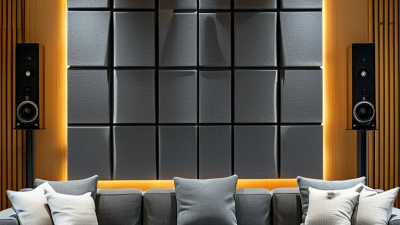
May provide limited low-frequency absorption; fire rating, appearance, and durability must be checked |
| Wood Slat or Perforated Wood Panels |
0.45–0.90 |
Reception areas, executive rooms, boardrooms, and feature walls |
Combines sound absorption with controlled diffusion |
Creates a warm architectural finish and can support a balanced acoustic design |
Usually needs an absorptive backing or cavity; heavier and often more costly to install |
| Ceiling Baffles and Acoustic Clouds |
0.60–1.10 |
Open-plan offices, cafeterias, and areas with exposed ceilings |
Shortens reverberation time and absorbs sound from multiple directions |
Useful when wall space is limited; can improve acoustic coverage in large open rooms |
Must coordinate with lighting, sprinklers, ventilation, and ceiling height requirements |
| Acoustic Desk Screens and Freestanding Dividers |
0.35–0.75 |
Hot-desking areas, shared workstations, and team neighborhoods |
Reduces direct sound transfer and reflections around workstations |
Adds visual privacy and can be relocated as office layouts change |
Does not create full soundproofing; effectiveness depends on height, width, and surrounding surfaces |
*NRC: The Noise Reduction Coefficient is a single-number rating used to describe how much sound a material absorbs. A higher value generally indicates greater average absorption across selected mid-frequency test bands; it does not measure sound isolation or complete soundproofing.
Key Factors for Evaluating Office Sound Panels in 2026
What Are the Top Sound Panels for Offices in 2026?
Evaluating office sound panels requires more than comparing visual designs. The key measure is acoustic absorption, often shown through the Noise Reduction Coefficient. Panels rated around NRC 0.80 absorb substantially more sound than basic decorative surfaces. However, ASTM C423 laboratory ratings do not guarantee equal performance onsite. Room size, ceiling height, furniture, and installation gaps can change results. They matter.
ASHRAE Handbook—HVAC Applications (2023) places many office environments near 35–40 dBA background-noise targets. Panels should support this goal without blocking ventilation or lighting. ISO 3382-3:2012 recommends assessing spatial decay and distraction distance, not absorption alone. In practical reviews, I check speech clarity from nearby desks, reverberation near glass walls, and noise behind the panel. Thin panels often look efficient. They may disappoint in open-plan rooms. The World Health Organization’s Environmental Noise Guidelines (2018) also connect excessive noise with annoyance, sleep disruption, and health risks, although office conditions differ from outdoor exposure. Fire rating, low-emission materials, cleanability, and recycled content deserve equal attention. My own evaluations sometimes overvalue NRC numbers. A better test uses short recordings, occupied-room measurements, and employee feedback after installation. Purely subjective feedback can mislead, but ignoring it is worse.
Main Types of Sound Panels for Different Office Environments
What Are the Top Sound Panels for Offices in 2026?
Main Types of Sound Panels for Different Office Environments
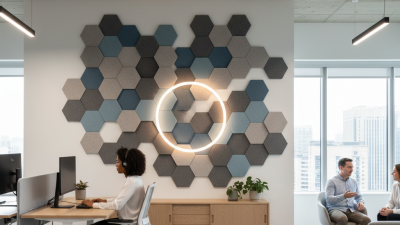
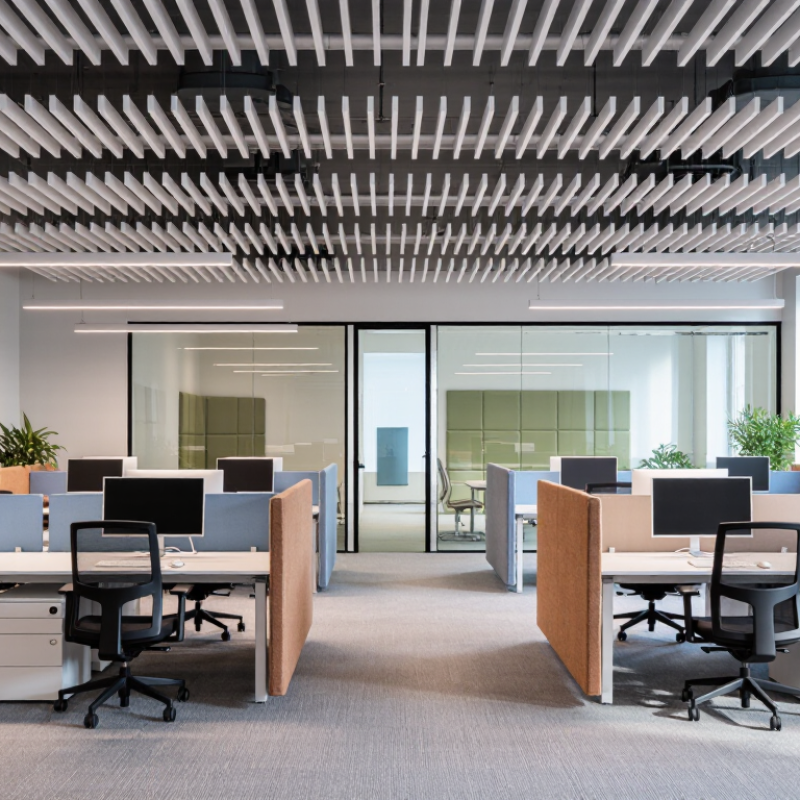
Open-plan offices usually need broad sound control, not complete silence. Hanging acoustic baffles work well above desks because they interrupt reflected noise from conversations and equipment. Wall-mounted fabric panels can reduce echo near shared workstations. PET felt panels offer a lighter, flexible option for dividing busy zones. Check the tested absorption rating before choosing. A attractive panel can still perform poorly.
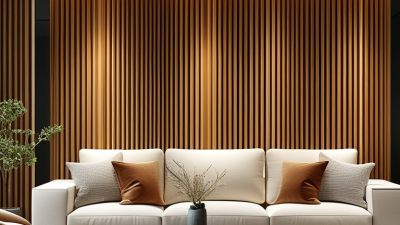
Meeting rooms need controlled speech clarity. Fabric-wrapped mineral wool panels often absorb mid- and high-frequency sound effectively. Place them on side walls and the rear wall, where voices commonly reflect. Wood-slat panels can add visual warmth, but they usually need acoustic backing to perform properly. They are not magic.
Phone booths and small focus rooms benefit from thicker wall panels and ceiling treatment. Reception areas may need durable felt panels that tolerate frequent contact. Desk screens can help nearby workers, although they cannot block every voice. One practical lesson is easy to miss: panel placement often matters more than panel quantity.
Tips: Map the loudest areas for one day. Test a small panel section first. Keep doors, ventilation, and safety access clear. Do not cover every surface; an overly dead room may feel uncomfortable and unnatural. Reconsider the layout after installation, because office habits often change.
What Are the Top Sound Panels for Offices in 2026?
Main types of sound panels for different office environments
Fabric-wrapped fiberglass and ceiling clouds typically provide the highest absorption for open-plan offices, collaboration zones, and call centers. PET felt panels are lightweight and versatile for workstations and meeting areas, while perforated wood panels combine sound control with a natural interior finish. NRC values are representative ranges based on commonly published laboratory results under ASTM C423 or ISO 354; actual performance depends on thickness, mounting, air gaps, and installation coverage.
How to Choose Sound Panels by Room Size, Layout, and Noise Level
What Are the Top Sound Panels for Offices in 2026?
Choosing sound panels starts with the room, not the product. A small meeting room needs less coverage than an open-plan workspace. Measure the floor area, ceiling height, and main noise sources. For speech-heavy rooms, prioritize wall panels near desks and conversation zones. Ceiling panels can reduce sound reflection in rooms with hard floors. I have found that treating only one wall rarely solves the problem.
Layout matters as much as size. Place panels where sound travels or repeatedly bounces. In an open office, use suspended panels above shared desks and tall screens between workstations. Keep panels away from blocked corners or crowded furniture. A room with glass walls may need more absorption than its dimensions suggest. That detail is easy to miss.
Noise level should guide panel thickness and coverage. Light distraction may need targeted treatment, while constant machinery or loud calls require broader coverage. Check the panel’s absorption rating, but do not rely on one number alone. Listen from the employee’s seat during the busiest hour. A quick test can reveal problems that a floor plan hides. Even careful plans can be imperfect. I would install a small section first, then reassess speech clarity, echo, and employee comfort before expanding.
Installation, Maintenance, and Long-Term Performance Considerations
What Are the Top Sound Panels for Offices in 2026?
The best office sound panels are not chosen by appearance alone.
Installation quality often determines their real acoustic value. Before ordering, measure room volume, ceiling height, hard surfaces, and typical noise sources. Panels with tested Noise Reduction Coefficient data offer a more reliable comparison. However, NRC ratings do not guarantee speech privacy between rooms.
Install panels where sound reflects most strongly, such as opposite desks, near meeting areas, and on large uncovered walls. Leave a small air gap behind absorptive panels when the manufacturer’s instructions allow it. This can improve low-frequency absorption. Use suitable mechanical anchors for heavy units, especially on plasterboard walls. Measure twice.
Maintenance should remain simple.
Vacuum fabric surfaces with a soft brush every few months. Remove marks with a lightly damp cloth and a mild cleaner approved for the covering. Avoid soaking the panel. Moisture can weaken backing materials and create uneven stains. Dust matters.
Long-term performance depends on humidity, sunlight, cleaning habits, and office rearrangements.
Inspect edges, fasteners, fabric tension, and ceiling suspension points during annual facility checks. Replace damaged components promptly. A panel may still look acceptable while its backing has started to deform. That is easy to miss.
In practice, offices often install too few panels and expect silence.
That is unrealistic. Sound absorption reduces reverberation; it does not stop voices through a wall. I would review staff feedback after installation, because acoustic calculations can miss uncomfortable echoes near busy workstations. Reassessment is part of responsible maintenance.