What Are the Top Skincare Pump Types for 2026?
Choosing a Skincare Pump in 2026 is about more than appearance. The right mechanism can help dispense a measured amount, limit mess, and make daily use easier. Yet a pump that works well for a light lotion may struggle with a thick cream. Formula thickness, container shape, and user habits all matter.
Airless pumps are often considered for products that need reduced exposure to air during use. Lotion pumps suit many fluid cleansers and moisturizers, while treatment pumps can provide smaller doses for concentrated formulas. Fine-mist pumps serve watery products, and foaming pumps combine liquid with air to create a soft lather. Each type has trade-offs. Some need more priming; others can leave product behind. Small details matter.
For a practical comparison, look at dose consistency, clogging, leakage, ease of pressing, and how much formula remains when the package seems empty. Material compatibility also deserves attention: a pump should be evaluated with the actual formula, not just an attractive sample container. Testing across storage and use conditions can reveal issues that a quick showroom demonstration misses. This is not a universal ranking. Product viscosity and design vary, and packaging claims should be checked against real performance data. Still, guides can make pump selection sound cleaner than it is. The best choice depends on the formula, the intended user, and the dispensing experience a brand can reliably deliver.
How Skincare Pumps Dispense and Protect Formulas
What Are the Top Skincare Pump Types for 2026?
How Skincare Pumps Dispense and Protect Formulas
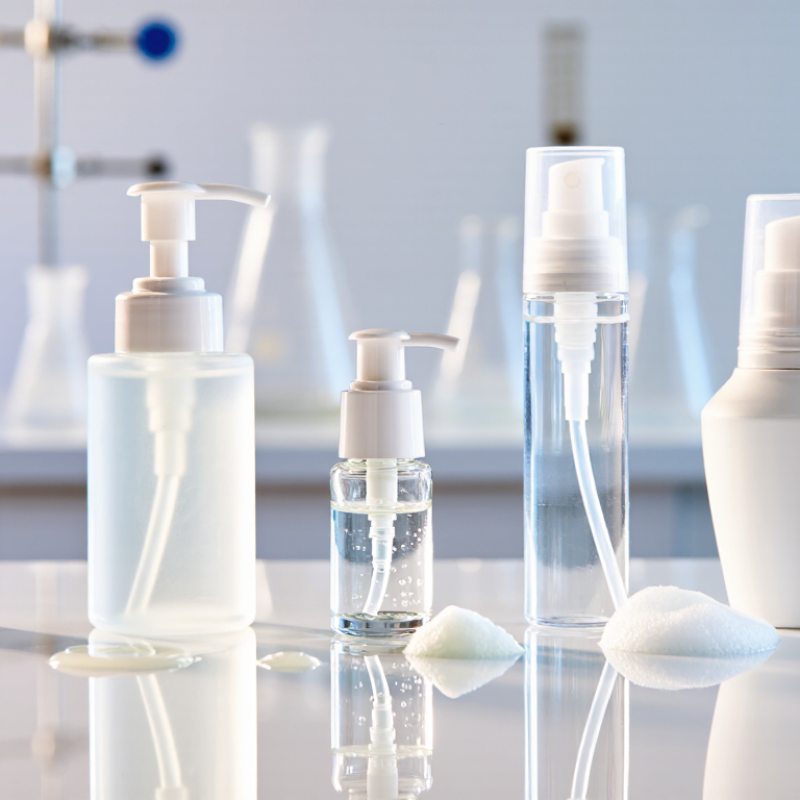
A skincare pump controls how much formula leaves the container and how much air or finger contact reaches it. Standard lotion pumps draw product through a dip tube using a spring-loaded piston. Treatment pumps deliver smaller doses for serums and creams, while fine-mist pumps suit thin liquids. Airless pumps use a moving platform or pouch to push product upward, limiting repeated air exchange. They do not make a formula sterile. Grand View Research valued the global cosmetic packaging market at USD 34.8 billion in 2023 and forecast 5.3% annual growth from 2024 to 2030. That market figure signals packaging’s importance, not proof that one pump type works best.
Tips: Match the pump to the formula’s thickness. Check dose size, priming, and whether the nozzle clogs after use. Small details matter.
Pump performance also depends on the formula, seal, and container materials. A pump that works with a light serum may struggle with a dense cream. Airless designs can reduce exposure during use, but they may leave some product unreachable. Test the actual formula through repeated dispensing, including after storage. Consider the user’s routine, too: a pump should deliver a consistent dose without needing a hard press. It is easy to assume “airless” means better protection; that assumption needs testing.
Airless Pumps for Sensitive and Active Ingredients
Airless Pumps for Sensitive and Active Ingredients
Airless pumps help limit repeated contact between a formula and outside air. A rising piston pushes product upward, so users can dispense small amounts without dipping fingers into a jar. That matters for vitamin C serums, retinoid creams, and fragrance-free moisturizers, where oxidation or contamination can affect performance. It is not a guarantee of stability. Formula testing still matters.
The commercial interest is substantial: Grand View Research valued the global airless-packaging market at about US$5.3 billion in 2023 and projected continued growth through 2030. For product developers, pump choice should follow viscosity, dose size, and material compatibility—not just appearance. A thick cream may need a wider pathway; a watery serum can leak or deliver unevenly if the valve is poorly matched. Test the package through transport and repeated use. Watch for residue around the nozzle, stalled pistons, and changes in dispensing near empty. One caveat: “airless” does not mean oxygen-free. I would want stability data from the finished formula in its actual package, because packaging claims alone leave an important question unanswered.
What Are the Top Skincare Pump Types for 2026?
Typical dispense volume per actuation by pump type
Airless pumps commonly dispense small, controlled doses and limit formula exposure to air during use, making them a useful option for sensitive or oxidation-prone ingredients. Actual output varies by pump design and formula; packaging compatibility and preservation should be tested for each product.
Lotion Pumps for Everyday Skincare Products
For everyday skincare, a lotion pump should dispense a steady amount without making users work for it. Standard dip-tube pumps suit many body lotions, hand creams, and liquid cleansers. Their output depends on the pump mechanism and formula thickness, so test the actual product before choosing a model.
A wide actuator is easier to press with damp hands, while a lockable head can help prevent accidental dispensing in a gym bag or suitcase. Check that the dip tube reaches near the bottom of the bottle; otherwise, usable lotion may be left behind. Small details matter. Neck size and bottle fit also need to match, or leaks and loose closures can spoil an otherwise practical design.
For thicker creams, a pump with a larger passage may dispense more reliably than a fine-output option. Airless pumps can help limit repeated exposure to air, but they may cost more and require compatible packaging. There is no perfect pump for every routine. A sleek shape can look appealing, yet feel awkward after a week of daily use. Test pump effort, dose size, and product compatibility with real users, not just an empty sample bottle.
Treatment Pumps for Precise, Controlled Dispensing
Treatment pumps make small skincare doses easier to repeat. A metered pump suits fluid serums and lotions, delivering a set amount with each full press. Airless piston pumps suit thicker or oxidation-sensitive formulas, while reducing direct contact with the remaining product. Neither design guarantees perfect dosing.
McKinsey’s 2023 State of Fashion: Beauty report projected the global beauty market could reach $580 billion by 2027, with roughly 6% annual growth. That broad forecast is not evidence that consumers prefer one pump type. It does, however, underline why packaging performance deserves careful attention as product ranges expand. Small details matter.
In practical testing, measure output across repeated presses, not just one satisfying first dose. Check priming, leakage, and whether the pump still works when the bottle is nearly empty. Formula viscosity and temperature can change how much comes out. A pump that dispenses neatly in a warm lab may sputter in a cool bathroom. That part is easy to overlook. For precise treatment use, match the pump to the formula, then verify its dose with real product and repeated use.
How to Choose a Skincare Pump for Each Product Type
A skincare pump should match the formula, not just the bottle. For watery toners, a fine-mist pump spreads a light veil across the face. Check the spray pattern on a tissue first; large droplets can feel uneven. For thicker moisturizers, a lotion pump usually offers better control. It should dispense smoothly without leaving a stubborn lump in the nozzle.
Serums and targeted treatments often work well with small-dose treatment pumps. A measured press can limit waste, especially when users need only a few drops. Airless pumps can help reduce repeated exposure to air and fingers, making them worth testing for sensitive formulas. They are not a cure-all. Some thick creams struggle to rise through the mechanism, particularly near the end of the pack.
Test the actual formula in the intended package. Fill a sample, press it at different angles, and note whether the dose changes or the pump clogs. Cold rooms may make a product thicker; warm bathrooms can make it runnier. That detail is easy to miss. Also check that the pump, dip tube, and container materials remain compatible during storage. A sleek pump may look right, yet deliver too much product. Choose based on daily use, formula texture, and reliable dispensing—not appearance alone.