Where to Buy Top Gym Machines in China? This question matters as fitness investment expands worldwide. The Global Wellness Institute reported that the physical activity economy reached approximately $1.06 trillion in 2023. It may grow to $1.35 trillion by 2028. Meanwhile, the Health & Fitness Association recorded about 184 million health club members globally in 2023. These figures suggest stronger demand for dependable commercial equipment, not simply cheaper products.
China remains a major sourcing destination for treadmills, selectorized strength machines, cable systems, spin bikes, and functional training rigs. Buyers can compare manufacturers through established industrial clusters, trade fairs, factory audits, and verified business platforms. The China International Sporting Goods Show offers useful market exposure, while direct factory visits reveal details online catalogs often hide. Watch the welds. Test the console. Inspect the bearings.
Professional purchasing should follow measurable standards. ISO 20957 addresses the safety requirements for stationary training equipment. Electrical components should also match the destination market’s certification rules. The American College of Sports Medicine’s Worldwide Survey of Fitness Trends repeatedly highlights strength training, wearable technology, and functional fitness. These trends influence which Gym Machines deserve investment. However, reports do not replace hands-on testing. A machine can look excellent in photographs and still feel unstable under load. That is an uncomfortable truth.
Reliable suppliers provide serial numbers, load ratings, warranty terms, spare-parts plans, and clear factory documentation. Request sample units before placing large orders. Check frame thickness, cable routing, noise levels, and software support. Price matters, but downtime costs more. This guide examines where to buy top Gym Machines in China, while recognizing that “top” depends on facility type, user volume, budget, and after-sales capability.
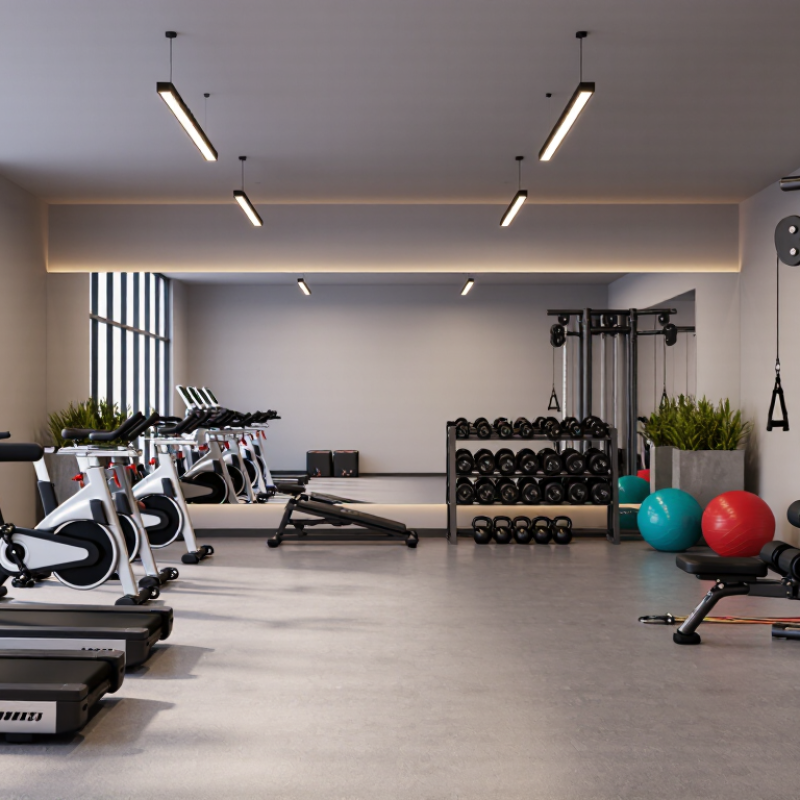
China’s gym equipment market offers far more than treadmills and weight benches. Commercial gyms commonly require selectorized strength machines, power racks, cable stations, and free-weight systems. These machines support controlled resistance and efficient group training. Cardio areas usually include treadmills, upright bikes, indoor cycles, rowing machines, and cross-trainers. The Global Fitness Equipment Market report by Grand View Research estimated the global market at about US$16.1 billion in 2023. China’s growing urban fitness demand remains an important part of this expansion.
Functional training equipment is also gaining space. Sleds, battle ropes, adjustable benches, kettlebells, and suspension systems suit smaller studios and varied workouts. Recovery-focused facilities may add vibration platforms, stretching stations, and low-impact cycles. The China National Fitness Plan for 2021–2025 targeted regular exercise participation above 38.5% of the population. That target increases demand for accessible equipment, not only heavy commercial machines. Still, bigger is not always better. A large machine can become an expensive coat rack when programming and maintenance are weak.
Tips: Match each machine to user flow, floor area, and service access. Check frame stability, cable movement, noise, warranty terms, and replacement-part availability. Ask for load testing and installation records before buying. The 2024 ACSM Worldwide Survey ranked wearable technology as the leading fitness trend, so equipment with simple performance tracking may improve engagement. Avoid choosing digital features blindly. A clear display and reliable motion often matter more than complicated software.

China’s gym-equipment supply chain is not centered in one city. The strongest clusters serve different production needs. Nantong in Jiangsu is widely associated with strength stations, racks, benches, and commercial training systems. Qingdao and Ningjin in Shandong add metal frames, weight plates, cable systems, and home-use equipment. Zhejiang and Guangdong support components, electronics, packaging, and export logistics. That division matters when buyers compare quotations.
The 2024 China Sporting Goods Industry Development Report placed China’s sporting-goods industry above RMB 1 trillion in annual operating revenue. The figure shows scale, not automatic quality. UN Comtrade data for HS 950691 also identifies China as a leading exporter of general physical-exercise equipment. However, customs categories combine simple accessories with heavy machines. Read the data carefully. Ask factories for welding samples, load-test records, coating thickness, and spare-part lists. ISO 9001 helps, but it does not replace an independent pre-shipment inspection.
From my sourcing experience, hub selection changes delivery risk. Nantong can suit integrated commercial orders. Shandong may fit steel-heavy products and flexible batch sizes. Southern suppliers can simplify electronics and packaging coordination. Still, this is not a perfect rule. Some factories outsource critical parts. That weakens traceability. Before buying, verify the legal company, production address, test scope, carton dimensions, and after-sales response time. Request a pilot order. Cheap freight estimates often ignore port handling, replacement parts, and seasonal delays.
Where to Buy Top Gym Machines in China?
China offers a wide range of commercial treadmills, strength machines, and indoor cycles. Supplier quality varies sharply, however. The HFA 2024 Global Report valued the global fitness industry at about 96.7 billion US dollars in 2023. That scale increases demand for reliable equipment, but it also rewards rushed manufacturing. I evaluate suppliers through factory evidence, not attractive catalogs.
Ask for current test reports, material specifications, and production records. ISO 20957 provides a useful reference for stationary training equipment safety and performance. A serious supplier should explain how machines meet relevant requirements. Check welded joints, frame thickness, cable routing, belt tracking, and emergency-stop response. Request a live video inspection or an independent factory audit. Photos are not enough.
Test one sample under realistic conditions. Run a treadmill continuously, inspect motor temperature, and measure operating noise. Load a strength machine beyond normal training weight, within safe testing procedures. Examine paint edges, bolts, upholstery seams, and adjustment pins. I also verify serial-number tracking, spare-part availability, warranty response, and installation support. The International Health, Racquet & Sportsclub Association reports that member expectations increasingly include safe, dependable facilities. A low purchase price can become expensive through downtime.
One weakness remains. A single sample cannot represent every shipment. I would add pre-shipment inspection and random carton checks. Supplier evaluation is never perfectly clean. But documented tests reduce unpleasant surprises.
China’s gym-machine supply chain offers three practical buying routes: factories, wholesale markets, and online platforms. Each route suits a different purchasing goal. Direct factories usually provide better customization and pricing for larger orders. Ask for production capacity, material specifications, warranty terms, and spare-part availability. A factory tour also reveals welding quality, storage conditions, and final inspection procedures. Do not trust showroom appearance alone.
Wholesale markets work well for comparing treadmills, racks, benches, and cable machines quickly. They can shorten delivery times and support smaller purchases. However, product origins may be unclear. Request written specifications and inspect moving parts before payment. Online platforms provide wide supplier access and fast price comparisons. They are useful for shortlisting suppliers, but product photographs often hide packaging weaknesses and inconsistent finishes. Video inspections help, though they cannot replace physical testing.
Industry data supports this growing demand. The 2024 IHRSA Global Report recorded about 184 million health-club members worldwide in 2023. China’s General Administration of Sport and the National Bureau of Statistics reported a sports-industry output of roughly 3.57 trillion yuan in 2023. These figures suggest strong equipment demand, but they do not guarantee supplier reliability. No channel is perfect. My practical preference is a mixed process: compare online, visit factories or markets, then order samples. A small sample may expose noise, unstable frames, or poor cable alignment. That extra step feels slow, yet it can prevent a costly bulk-order mistake.
Indicative production and fulfillment lead times by purchasing channel. Factories generally require more time because of customization and production scheduling, while wholesale markets and online platforms are typically faster for in-stock equipment.
Typical planning benchmarks in calendar days; actual lead times vary by equipment type, order quantity, customization, inventory, and shipping method.
Where to Buy Top Gym Machines in China?
China offers a broad manufacturing base for treadmills, strength machines, racks, and indoor cycling equipment. The Global Wellness Institute reported that physical activity generated about US$1.1 trillion worldwide in 2023. Demand is strong, but low prices alone can mislead buyers. Request factory registration, export records, technical drawings, and recent production photos. A video call can reveal more than a polished catalog. Ask for a sample machine before placing a full order. It may feel slower. It often prevents expensive surprises.
Inspection should follow clear acceptance standards. ISO 20957 covers safety requirements for stationary training equipment. Check welds, cable routing, moving joints, emergency stops, load ratings, and electrical labels. Test several units under repeated use, not only one finished sample. Record defects with photos and signed inspection sheets. Independent inspection is useful, although it is not perfect. Inspectors can miss problems hidden inside motors or gearboxes. Confirm spare parts, warranty response time, manuals, and carton dimensions in writing.
For shipping, define Incoterms 2020 responsibilities before payment. Confirm the HS code, container capacity, insurance, port charges, and import documents. Use moisture barriers and reinforced pallets for long sea routes. Ask for a packing list showing each machine’s weight and serial number. The International Maritime Organization reports that maritime transport carries over 80% of global merchandise trade, so port delays matter. Leave schedule space. A one-week delay can disrupt an entire gym installation.
| Stage | What to Check or Do | Typical Data or Requirement | Recommended Evidence | Typical Time | Main Risk Controlled |
|---|---|---|---|---|---|
| 1. Define the Purchase Specification | Set the machine type, dimensions, user capacity, resistance system, electrical requirements, upholstery, color, and intended market. | Include target load, voltage and frequency, plug type, maximum user weight, available floor area, and installation conditions. | Approved specification sheet, layout drawing, and electrical checklist. | 1–3 working days | Receiving equipment that does not fit the facility or local electrical system. |
| 2. Identify Suitable Suppliers | Compare manufacturers, trading companies, and verified sourcing channels according to product specialization and export experience. | Compare at least 3 qualified suppliers using the same specification, quantity, delivery term, and warranty requirements. | Business license, factory address, product catalog, export references, and quality certificates applicable to the product. | 3–7 working days | Inconsistent quality, unclear supplier responsibility, or unsuitable production capability. |
| 3. Request and Compare Quotations | Request a detailed quotation for the same configuration and ask for separate pricing of accessories, packaging, spare parts, and shipping. | Quotation should show unit price, minimum order quantity, tooling or customization fees, payment terms, warranty, and validity period. | Itemized pro forma invoice and written list of inclusions and exclusions. | 2–5 working days | Hidden charges and misleading comparisons between different equipment configurations. |
| 4. Evaluate Samples or Demonstration Units | Test movement smoothness, frame stability, noise, adjustment range, upholstery, displays, cables, and safety features. | Check dimensions, net weight, maximum user weight, resistance levels, operating noise, and included tools. | Sample test report, photographs, videos, approved drawings, and signed reference sample record. | 1–4 weeks, depending on sample availability | Differences between catalog claims and actual performance. |
| 5. Confirm Contract and Payment Terms | Define specifications, quantities, delivery date, inspection rights, spare parts, warranty, remedies, and ownership of custom designs. | Common arrangements include a deposit before production and the balance after production or successful inspection; exact terms must be negotiated. | Signed sales contract, pro forma invoice, approved specification, and payment receipt. | 1–5 working days | Disputes concerning specifications, late delivery, defective products, or unpaid balances. |
| 6. Monitor Production | Track material procurement, assembly progress, customization, packaging, and production changes. | Standard production often takes approximately 20–45 days; customized projects may require more time. | Production schedule, progress photographs, updated packing list, and change approvals. | 20–60 days | Late delivery, unauthorized substitutions, and incomplete accessories. |
| 7. Conduct Pre-Shipment Inspection | Inspect quantity, model, dimensions, assembly quality, function, safety guards, accessories, labels, and packaging before release. | Use a written checklist based on the approved specification. Functional testing should cover every equipment type and critical feature. | Inspection report, defect photographs, serial-number list, carton count, and signed corrective-action record. | 1–3 working days | Shipping defective, incomplete, damaged, or incorrectly configured machines. |
| 8. Approve Export Packaging | Confirm moisture protection, internal cushioning, lifting points, carton markings, and protection for painted and electronic parts. | Record carton dimensions, gross weight, net weight, cubic volume, pallet quantity, and stacking limitations. | Final packing list, packaging photographs, shipping marks, and handling instructions. | 1–3 working days | Transit damage, water exposure, incorrect cargo measurements, and unloading problems. |
| 9. Select the Shipping Method | Choose sea, air, rail, or courier transport according to shipment volume, urgency, destination, and budget. | Sea freight is generally suitable for bulky gym equipment; air freight is faster but usually costs more per kilogram. | Freight quotation showing origin, destination, transit estimate, cargo volume, insurance, and delivery term. | Booking: 2–7 days; transit varies by destination | Unexpected freight costs, delays, or unsuitable delivery arrangements. |
| 10. Prepare Customs Documentation | Verify tariff classification, importer information, product descriptions, country-of-origin details, and destination requirements. | Typical documents include commercial invoice, packing list, transport document, and any required conformity or electrical documentation. | Final invoice, packing list, bill of lading or air waybill, certificates, and customs broker instructions. | 2–10 working days, depending on destination | Customs holds, incorrect duties, document mismatches, or import non-compliance. |
| 11. Receive and Inspect the Shipment | Photograph packaging before opening, count cartons, check visible damage, verify serial numbers, and test key functions. | Report transport damage promptly according to the carrier and insurance deadlines; retain packaging until the claim is resolved. | Delivery receipt, unloading photographs, damage report, installation checklist, and acceptance record. | 1–3 days after delivery | Unnoticed transit damage and delayed insurance or carrier claims. |
| 12. Install and Maintain the Equipment | Follow assembly instructions, level the machines, connect electrical equipment safely, and establish a preventive-maintenance schedule. | Keep spare belts, cables, fasteners, upholstery repair materials, and electrical components appropriate to the equipment. | Installation record, operator training log, maintenance plan, warranty contact, and spare-parts inventory. | 1–7 days after receipt | Unsafe operation, premature wear, downtime, and warranty disputes. |
Note: Time ranges are typical planning estimates and can vary according to customization, order quantity, inspection scope, destination, season, and customs procedures.
