China Top Waterproof Toiletry Bag Wholesale Suppliers
China’s waterproof toiletry bag suppliers are gaining attention as travel, fitness, and personal-care markets continue to expand. Grand View Research reports that the global travel bags market is projected to grow steadily through 2030, supported by rising tourism and organized packing habits. Fortune Business Insights also identifies durability, lightweight design, and functional compartments as important luggage-market trends. These findings create a practical opportunity for buyers seeking a reliable Waterproof Toiletry Bag for retail, hospitality, and corporate gifting.
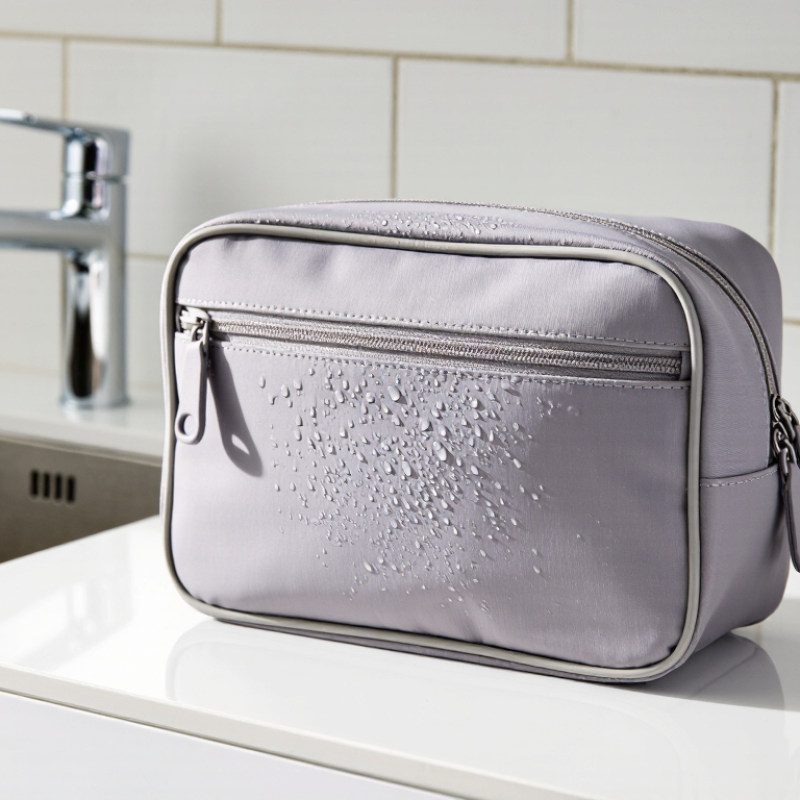
The product should do more than look attractive in a catalogue. Buyers need to inspect coated fabric, zipper sealing, stitching density, lining quality, and drainage performance. A bag placed beside a wet sink should protect clothing from leaks. That small detail matters. Dr. Charles Gerba, a University of Arizona microbiologist, has often stated, “The bathroom is the germiest room in the house.” His warning supports better hygiene-focused design, although it does not replace laboratory testing. Suppliers should provide material specifications, sample inspections, and clear production records.
China’s top wholesale suppliers may offer competitive pricing, custom logos, flexible colors, and scalable production. However, low prices can hide weak zippers or uneven waterproof coatings. This is where my confidence becomes cautious. A polished sample may not represent every production batch. Responsible sourcing requires factory audits, pre-shipment checks, and repeated water-resistance tests. Buyers should compare minimum order quantities, lead times, packaging methods, and after-sales communication before signing agreements. The strongest supplier is not always the cheapest. It is the partner that can prove consistent quality.
China’s Toiletry Bag Trade Scope Using UN Comtrade HS 4202 Data
China Top Waterproof Toiletry Bag Wholesale Suppliers
China’s toiletry bag trade can be examined through UN Comtrade HS 4202 data. This code covers many travel goods, including handbags, cases, and similar containers. Toiletry bags may appear within this wider category, but the data does not isolate them perfectly.
Trade records can reveal China’s export value, shipment volume, destination markets, and yearly changes. These indicators help buyers understand supply depth before contacting wholesale suppliers. A rising export value may suggest stronger demand, higher unit prices, or both. It does not automatically prove better product quality.
For waterproof toiletry bags, buyers should compare HS 4202 trends with factory evidence. Ask for material details, seam construction, zipper performance, lining samples, and water-resistance test records. Polyurethane-coated fabric, sealed seams, and washable interiors can support practical use, but claims need verification.
The category is broad.
That matters.
A clean chart can still mislead. Different customs authorities may record similar products differently, while exchange rates can distort year-to-year comparisons. I would treat Comtrade as a reliable market-direction tool, not a complete supplier ranking. Product samples, production experience, inspection documents, and clear packaging specifications remain necessary. Suppliers with stable export records may deserve closer review, especially when their product details match the intended retail market. However, HS 4202 alone cannot confirm whether a supplier specializes in waterproof toiletry bags.
How to Rank Chinese Suppliers by MOQ, Capacity, Lead Time, and AQL 2.5
China Top Waterproof Toiletry Bag Wholesale Suppliers
A practical supplier ranking starts with measurable evidence, not polished product photos. Record each supplier’s MOQ, monthly capacity, lead time, and AQL 2.5 inspection results. A low MOQ can reduce inventory pressure, but it may increase unit costs. Capacity matters when seasonal orders arrive. Ask for production records and verify whether the factory can maintain output consistently.
Lead time should include material preparation, sewing, waterproof testing, packing, and export handling. Compare promised delivery dates with actual trial orders. For quality, AQL 2.5 is a sampling standard, not a promise of zero defects. Check seams, zippers, lining, odor, and water resistance. A simple scorecard can assign 25 points to each category. However, this method is not perfect. A supplier with excellent capacity may still miss small stitching issues.
Tips: Request a sample batch before ranking suppliers. Inspect at least 50 bags under the same lighting. Record zipper failures and seam gaps separately. Ask suppliers to explain every defect, not just replace products. Keep inspection photos with dates and batch numbers. Small details reveal process control. Recheck rankings after each shipment, because performance can change. A supplier once rated highly may weaken during peak production, and that risk deserves honest review.
China Top Waterproof Toiletry Bag Wholesale Suppliers - How to Rank Chinese Suppliers by MOQ, Capacity, Lead Time, and AQL 2.5
Benchmark basis: indicative China wholesale ranges for waterproof and water-resistant toiletry bags. AQL 2.5 refers to a normal inspection level for major and minor defects; buyers should confirm the sampling plan, material specifications, capacity measurement method, packaging requirements, and production schedule in the purchase contract.
Waterproof Verification Through Hydrostatic-Head Testing Above 1,500 mm
Waterproof toiletry bags should be evaluated with measurable evidence, not attractive product claims. Hydrostatic-head testing applies rising water pressure to fabric until leakage appears. A result above 1,500 mm equals approximately 14.7 kPa of water pressure. ISO 811:2018 and AATCC TM127 provide recognized methods for this type of textile testing. Wholesale suppliers should request dated laboratory records, test conditions, fabric identification, and failure points before placing large orders.
The number matters, but construction matters more. A coated fabric may exceed 1,500 mm, while needle holes around seams still allow water inside. Inspectors should test the main fabric, stitched corners, zipper tape, and finished seams separately. Small details matter. A 2023 textile testing review by a European materials laboratory noted that seam performance can differ greatly from base-fabric performance under repeated pressure. That finding deserves attention during supplier audits.
For practical travel use, a 1,500 mm result can support protection against splashes and light rain. It does not prove safe immersion or long exposure under heavy rain. Suppliers should repeat tests after flexing, folding, and laundering simulations. One weakness remains: laboratory pressure is controlled, while real luggage is squeezed and dragged. I would therefore treat 1,500 mm as a minimum verification point, not a complete durability promise. Clear sampling records and independent retesting make wholesale decisions more reliable.
Wholesale Comparison of FOB Prices, MOQs, Customization, and Export Markets
China Top Waterproof Toiletry Bag Wholesale Suppliers
When comparing Chinese suppliers, FOB pricing should be read with the specification sheet. A basic PVC pouch may quote at $0.70–$1.50 FOB, while lined polyester models can reach $2.00–$5.00. These figures change with thickness, zippers, printing, packaging, and order volume. Ask whether the quote includes export cartons and inspection costs. It often does not. A practical comparison needs identical dimensions, materials, and accessories. Request a physical sample before judging waterproof performance. A sealed zipper can still leak at the corners.
MOQ commonly ranges from 300 to 3,000 pieces. Lower MOQs may carry higher unit prices or limited color choices. Custom logos, woven labels, compartments, and special coatings usually require separate setup fees. Confirm artwork approval, sample charges, production time, and acceptable color variation in writing. Some suppliers have stronger experience with Europe, North America, Southeast Asia, or the Middle East. Their export markets can indicate packaging knowledge and shipping familiarity, but they do not guarantee quality. Ask for recent test records, factory photos, material details, and references for similar orders. My own comparison method is useful, but not perfect; supplier quotes can change weekly with fabric and freight conditions. Leave room for inspection and small production errors.