Top 3D Rendering Demo Services for Global Buyers
Choosing among the top 3D Rendering Demo services can feel difficult for global buyers. Every provider promises realism, speed, and dependable communication. Yet strong images do not always prove strong production standards. A bright showroom scene may hide weak material mapping, inaccurate dimensions, or poor revision control.
This guide examines each service through practical buyer concerns. It considers visual quality, technical capability, project experience, delivery timelines, and communication across time zones. It also reviews how providers present samples, explain pricing, protect client files, and manage feedback. A useful 3D Rendering Demo should show more than attractive lighting. It should demonstrate accurate geometry, believable textures, clear camera work, and consistent output across different formats.
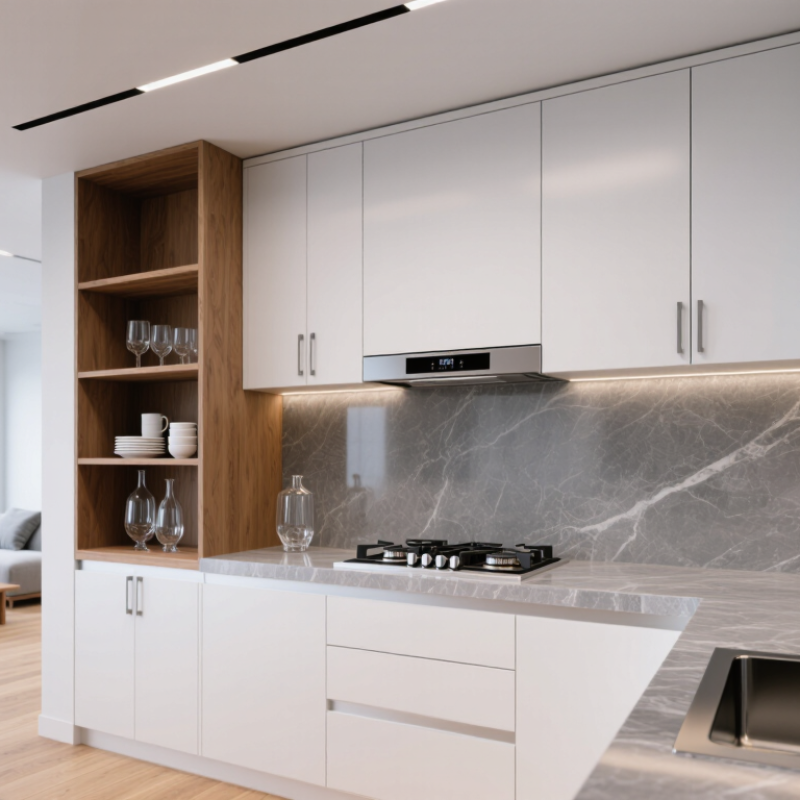
Details matter. A kitchen visualization should reveal cabinet edges, handle placement, countertop reflections, and realistic light falloff. A product demo should show clean topology, functional movement, and close-up material behavior. Buyers should also ask whether the displayed work came from a real commissioned project or a carefully selected concept piece. This distinction is easy to overlook.
No service is perfect. Some firms offer exceptional artistry but need longer schedules. Others respond quickly but provide limited creative direction. Regional communication habits can also create avoidable revisions. The best choice depends on project complexity, budget, audience, and required delivery control. Careful comparison remains essential, because a beautiful first impression can still become an expensive correction later.
What 3D Rendering Demo Services Provide
Top 3D Rendering Demo Services for Global Buyers
3D rendering demo services turn technical concepts into clear visual experiences for international buyers. They provide photorealistic images, product animations, and interactive demonstrations. Buyers can inspect shapes, finishes, dimensions, and operating details before requesting physical samples. This reduces confusion across languages and helps sales teams explain complex products faster. High-quality lighting matters. It reveals surface texture, edges, reflections, and small construction details.
Experienced rendering teams usually begin with drawings, measurements, material references, and target-market requirements. They create a draft, test camera angles, and adjust colors for realistic presentation. Some services also deliver 360-degree views, exploded diagrams, and short application videos. In my experience, these assets work best when every visible feature matches approved specifications. A beautiful render can still mislead if a handle is misplaced or a finish is inaccurate. That mistake is easy to overlook. Reliable providers use review stages, written approvals, and organized file delivery. They should also explain revision limits, timelines, and technical requirements clearly.
Tips: Share accurate dimensions and close-up material photos. Mark non-negotiable details early. Ask for one realistic draft before ordering a full visual package. Check images on both large screens and mobile devices. Do not trust perfect lighting alone; compare the render with drawings or samples. A useful demo should answer buyer questions, not merely look impressive.
Key Evaluation Criteria for Global Buyers
Top 3D Rendering Demo Services for Global Buyers
Key Evaluation Criteria for Global Buyers
Global buyers should judge rendering demos beyond surface-level realism. According to Grand View Research, the global 3D rendering and visualization market reached about USD 3.34 billion in 2023. The report also projects a 24.9% annual growth rate from 2024 to 2030. This expansion increases supplier choice, but it also makes comparison harder. Look for accurate lighting, material textures, camera control, and clean geometry. A product should remain convincing at 4K resolution and on a mobile screen. Test the process.
Technical reliability matters just as much. Ask whether the service supports common CAD files, layered exports, 360-degree views, and revision tracking. Review the promised turnaround time across different time zones. A useful demo should show how feedback becomes a corrected frame, not only a beautiful final image. Buyers should also examine data protection procedures, access permissions, and backup practices. These details reduce risks when designs are confidential. Price alone is a weak measure.
A 2024 market report on digital twins identified visualization, simulation, and real-time interaction as major adoption drivers. This suggests that buyers should assess future compatibility, not only today’s still images. Request a small paid test with one difficult surface, such as brushed metal or transparent glass. Compare the first draft with the final version. No scorecard is perfect. Human judgment still matters, especially when cultural preferences affect color, scale, or visual emphasis.
Comparing Rendering Quality, Speed, and Service Scope
Top 3D Rendering Demo Services for Global Buyers
Comparing Rendering Quality, Speed, and Service Scope
For global buyers, rendering quality begins with visual accuracy, not dramatic effects. Materials should show believable grain, roughness, reflections, and edge softness. Grand View Research estimated the 3D rendering and visualization market at approximately USD 3.5 billion in 2023. Its report also projects strong growth through 2030, driven by product visualization and virtual experiences. That growth makes quality control more important.
Inspect the details. Ask for test frames at the final delivery size. A polished preview may hide jagged shadows or weak fabric textures. Speed matters. Shortlisted services should state average delivery times, revision limits, and production capacity. A simple product scene may take two days, while an architectural environment can require several weeks. Fast is not always efficient. Rushed lighting often creates expensive revisions.
Service scope separates a useful partner from a basic image supplier. Look for modeling, animation, interactive viewers, localization, source-file delivery, and technical support. McKinsey’s personalization research found that 71% of consumers expect personalized interactions. Localized renders can therefore support regional campaigns, but translation alone is insufficient. Camera angles, room sizes, colors, and compliance details may need adjustment. I have seen teams approve attractive images before checking scale accuracy. That mistake is easy to repeat. A practical evaluation should compare identical briefs, fixed deadlines, revision responses, and final files across three providers. Scope needs evidence.
The 3D Rendering Project Workflow
The 3D Rendering Project Workflow
A reliable 3D rendering project begins with a clear creative brief. Global buyers should provide dimensions, drawings, material references, and the intended viewing platform. Missing details create delays later. A short video call can clarify scale, camera height, and lighting expectations before production begins.
The artist then builds a basic blockout with simple geometry. This stage checks proportions, furniture placement, and composition without polished textures. A draft camera view is shared for approval. Small errors matter here. A doorway that feels too narrow may look acceptable in a drawing but uncomfortable in a final image.
After approval, the team develops materials, lighting, landscaping, and realistic surface details. Wood grain, brushed metal, soft shadows, and window reflections need careful control. Test renders reveal problems such as noisy corners or unnatural brightness. Review notes should be specific, with marked images and grouped comments. One revision round is rarely enough. Even experienced teams can misjudge a color under different screens.
The final stage includes high-resolution rendering, quality checks, and organized file delivery. Images should be inspected for missing objects, distorted edges, spelling errors, and inconsistent lighting. Source files and usage permissions must be documented clearly. A dependable workflow leaves room for human judgment, because technical accuracy alone cannot replace visual understanding.
Top 3D Rendering Demo Services for Global Buyers
The 3D Rendering Project Workflow
This chart shows a typical 3D rendering workflow and the estimated working hours required for each stage. Modeling and rendering generally require the most time, while briefing and final delivery are shorter coordination stages. Actual schedules vary according to scene complexity, revision rounds, image resolution, and project requirements.
How Global Buyers Select the Right Rendering Partner
Global buyers select a rendering partner by testing reliability, not only visual beauty. A polished image can still fail if dimensions, materials, or lighting feel inaccurate.
The 2024 Global 3D Rendering Market report projects strong double-digit growth through 2030, reflecting rising demand for scalable visual content. Yet rapid growth can hide uneven production standards.
Ask for a paid test scene using your real furniture, finishes, or architectural details. Check camera accuracy, texture realism, revision handling, and delivery speed.
The 2024 State of Design & Make report found that many industry leaders view digital tools as essential for competitiveness. That matters, but software alone cannot replace trained judgment.
A partner should explain its workflow, name the responsible reviewer, and protect your files through clear agreements.
Time-zone coverage helps, though it does not guarantee communication quality.
I have seen beautiful demos become costly projects because feedback ownership was unclear.
Tips:
Request one daylight image and one evening image. Confirm output sizes, source-file access, revision limits, and usage rights before production.
Compare the same brief across three suppliers, not three unrelated portfolios. Ask how they correct errors. Their answer often reveals more than the demo.
A small mistake may remain. That is worth discussing openly.
Use measurable checkpoints, such as a 48-hour draft, two revision rounds, and final color approval. Cost should be recorded beside risk, not considered alone.