Effective Tips for Using Sound Dampening Panels in Any Room?
In today's fast-paced world, noise often disrupts our peace. Sound dampening panels offer a solution. These panels can transform any room into a serene space. They absorb sound waves, reducing echoes and vibrations.
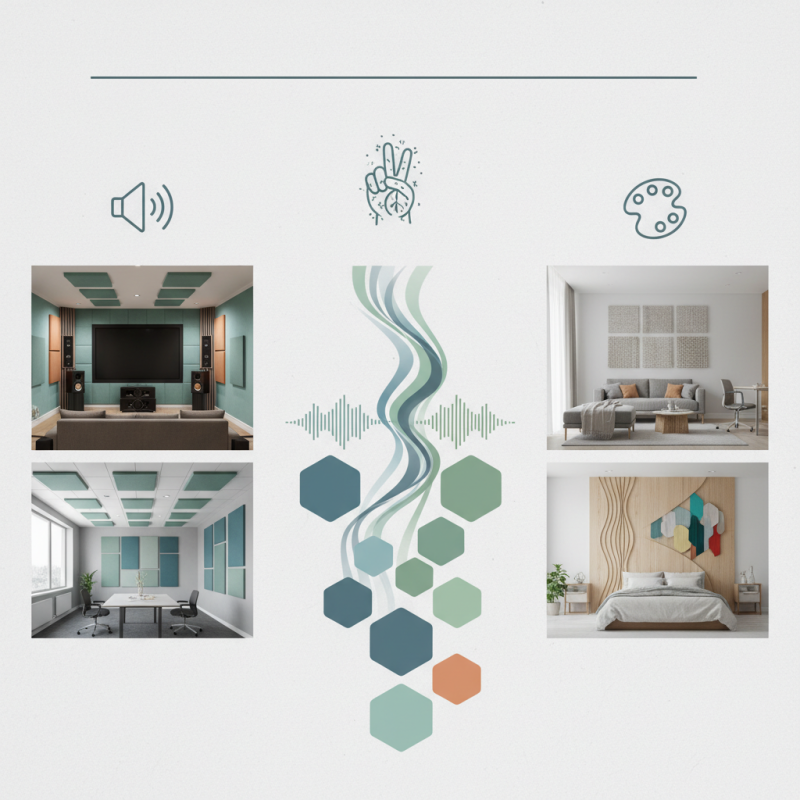
When considering sound dampening panels, location is key. Placing them strategically enhances their effectiveness. Consider areas where noise levels tend to be high. Common spots include home theaters or busy offices.
However, it's essential to think about aesthetics. Choosing the right design can integrate these panels better into your space. They shouldn't just be functional; they should also complement your decor. Reflect on how different textures and colors could improve your room’s visual appeal while still serving their purpose.
Understanding Sound Dampening Panels: Materials and Their Benefits
Sound dampening panels are essential for improving acoustics in any room. They come in various materials, each offering unique benefits. Common types include foam, fabric-wrapped panels, and wood. Foam panels absorb sound effectively. Their lightweight nature makes them easy to install. However, they may not suit every style, as they can look too utilitarian.
Fabric-wrapped panels add a touch of elegance. The fabric can match the room's decor, enhancing aesthetics while controlling sound. These panels often have better durability than foam. Yet, they require more maintenance and can be pricier. Wood panels provide a warm, classic feel. They can be costly and may involve more complicated installation processes. Each type has pros and cons, depending on the desired look and sound control.
Understanding the materials helps make informed choices. Some panels may not eliminate noise completely; they only reduce it. Rooms with high ceilings might need more panels for effective treatment. It's crucial to assess the specific requirements of the space. Test different panels to find the best fit. Not every room needs the same solution. Reflecting on personal needs can lead to a better sound environment.
Effective Tips for Using Sound Dampening Panels in Any Room
| Material Type |
Sound Absorption Coefficient |
Typical Use Cases |
Installation Difficulty |
Cost per Square Foot |
| Fiberglass |
0.85 |
Studios, Offices |
Moderate |
$1.50 |
| Acoustic Foam |
0.90 |
Home Theaters, Music Rooms |
Easy |
$2.00 |
| Mineral Wool |
0.80 |
Commercial Spaces, Factories |
Moderate |
$1.25 |
| Cotton |
0.75 |
Residential Living Areas |
Easy |
$1.75 |
| Wood Fiber |
0.70 |
Music Studios, Libraries |
Moderate |
$2.50 |
The Importance of Sound Absorption Coefficients in Panel Selection
When choosing sound dampening panels, it's essential to consider sound absorption coefficients. These coefficients indicate how well a panel can absorb sound. The higher the coefficient, the more effective the panel is at reducing noise. Look for panels that provide a balance between aesthetics and sound absorption.
In a home office, for example, you might want panels that have high coefficients. This can minimize distractions from outside noise. Explore different materials, shapes, and colors. Some panels look great but may not perform well. You worry about them not being effective enough.
Testing the panels in real situations can help you make better decisions. Placing them on walls and ceilings allows you to feel their impact. Don't forget, some rooms may require different types of panels. Experimenting may lead to surprising results.
Best Placement Strategies for Maximizing Acoustic Treatment Effectiveness
Placement of sound dampening panels is critical for acoustic treatment effectiveness. Research indicates that proper positioning can reduce echo by over 50%. To achieve this, consider common sources of sound reflection. Walls opposite each other can bounce sound waves. Placing panels on these surfaces can significantly diminish unwanted noise.
Focus on corners. Bass frequencies tend to accumulate there. Utilizing thick panels or bass traps can absorb these sounds effectively. Studies show corner placement can enhance clarity in music and speech. However, be mindful of overusing panels, which may lead to an overly “dead” sound in the room.
Wall height matters, too. Mounting panels at ear level promotes better sound distribution. Acoustic experts suggest placing panels about 40 inches from the floor. This height aligns with the average listener's ear level in many spaces. Experimenting with layouts can yield varied results. Adjusting panel arrangement may take time. Don't hesitate to reevaluate your setup for the best balance between sound absorption and liveliness.
Comparative Analysis of Different Sound Dampening Panel Types
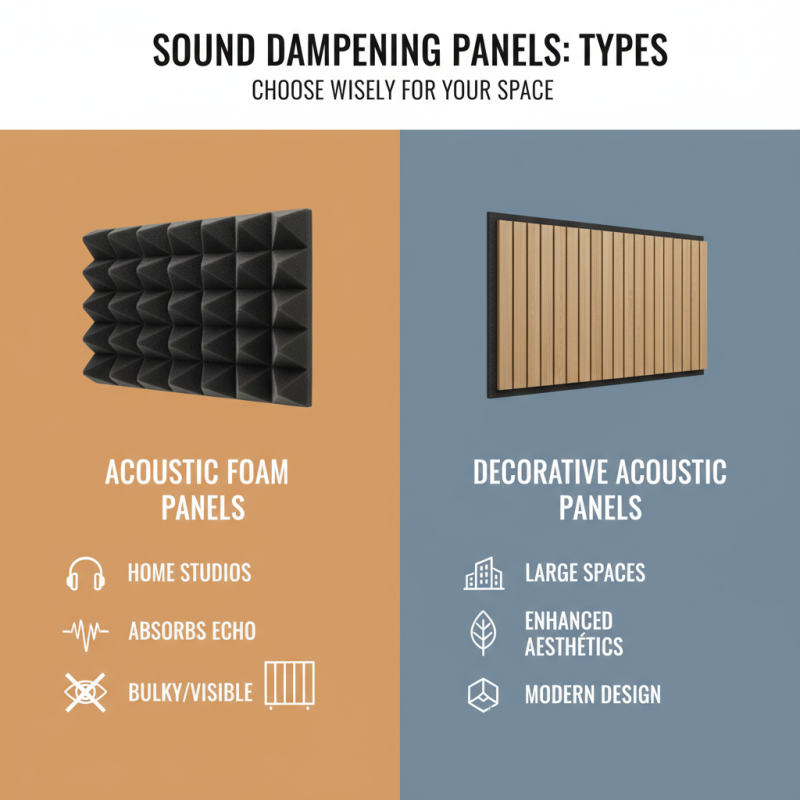
When considering sound dampening panels, it’s vital to analyze the different types available. Foam panels are popular for home studios. They absorb sound effectively and reduce echo. However, they may not be the best choice for larger spaces. They tend to look bulky and can be quite visible.
Fabric-wrapped panels offer a more elegant solution. They come in various colors and designs. This makes them easy to match with room decor. Still, they require careful installation. Improper mounting may reduce their effectiveness. Another option is mass-loaded vinyl. It is dense and excellent for blocking sound. Yet, it can be hard to handle during installation. It may not fit into every aesthetic.
Reflective panels are different. They do not absorb sound but redirect it. This can create interesting sound dynamics in a room. However, their effectiveness depends on room shape and furniture placement. Many people overlook these factors. Understanding the specifics of each type is essential for optimal results. Sound dampening isn’t a one-size-fits-all. It’s about finding the right balance for your unique space.
Maintenance Tips to Ensure Longevity and Performance of Panels
Sound dampening panels are a great way to enhance any room’s acoustics. However, keeping them well-maintained is essential for long-lasting performance. Regular cleaning helps prevent dust accumulation. Use a soft cloth or a vacuum with a brush attachment. Make sure to avoid harsh chemicals that could damage the material.
Moisture can affect the panels. Check the humidity levels in your room. If it’s too high, consider using a dehumidifier. This is crucial for all panel types, especially fabric-covered ones. If you notice any signs of mold, address it immediately to prevent further damage.
Panels should also be routinely inspected. Look for any signs of wear or damage. Over time, corners may fray or edges can peel. Replacing worn-out panels can restore your room's sound quality. It’s wise to have a few spare panels handy. This ensures quick replacement when needed.