What is Sound Proofing Material and How Does It Work?
Sound proofing material plays a crucial role in modern architecture and construction. As urban environments grow noisier, sound insulation becomes essential. According to a report by Acoustics Today, noise pollution can cause stress and impair sleep quality. Experts suggest using high-quality sound proofing materials to mitigate these issues.
John Smith, an acoustics consultant, states, "Effective sound proofing can transform a living space into a tranquil sanctuary." His insights highlight the importance of choosing the right materials. Options range from acoustic panels to soundproof drywall, each with various properties and applications.
However, challenges remain. Not all sound proofing materials perform equally in different environments. Budget constraints may limit choices, affecting overall effectiveness. A one-size-fits-all approach is often misleading. Assessing specific needs is vital for achieving optimal results in sound control.

Definition and Purpose of Sound Proofing Material
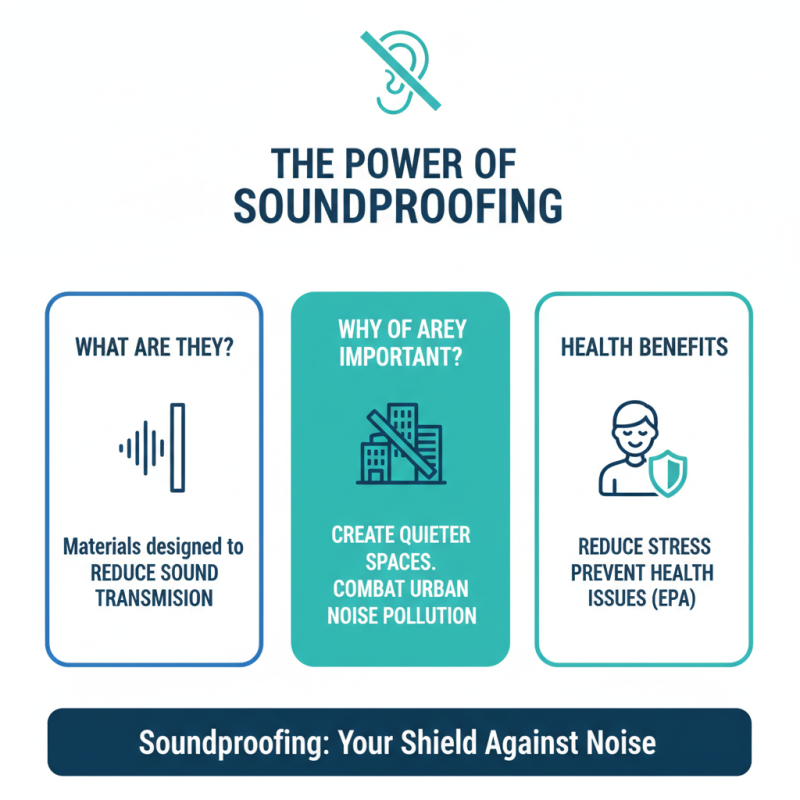
Sound proofing materials are essential in managing noise in various environments. They are designed to reduce sound transmission and create quieter spaces. This is particularly important in urban settings, where noise pollution can disrupt daily life. According to the Environmental Protection Agency, prolonged exposure to noise can lead to stress and health issues. Thus, sound proofing materials play a vital role.
These materials work by absorbing sound waves or blocking them from entering a space. Common types include foam panels, mass-loaded vinyl, and acoustic baffles. Research by the National Institute of Health shows that soft materials can absorb 60% to 90% of sound waves. However, these materials also have limitations. For instance, they may not block lower frequencies effectively. This imperfection highlights the need for careful selection and combination of different sound proofing strategies.
In spaces like offices or recording studios, sound proofing is not just a luxury; it’s a necessity. Poor sound insulation can lead to distractions and diminish productivity. A study from the World Health Organization indicates that better acoustics can improve focus and overall well-being. Yet, many people still overlook sound proofing in their designs. This lack of awareness can lead to uncomfortable and ineffective environments.
Types of Sound Proofing Materials Used in Various Applications
Soundproofing materials play a crucial role in controlling noise. They help create quieter environments in homes, offices, and public spaces. Various types of materials can be used, each serving unique purposes in sound reduction.
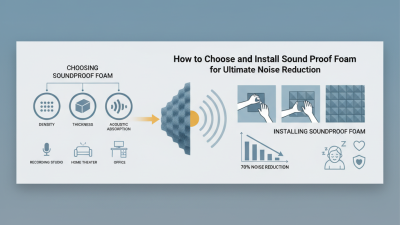
Foam panels are often utilized in studios. They absorb sound waves effectively. These panels reduce echo and enhance sound clarity. However, they may not block sound completely. Their effectiveness can sometimes depend on placement. Mass-loaded vinyl is another option. It’s dense and flexible, making it suitable for walls and ceilings. Yet, its installation can be challenging.
Some applications use acoustic tiles. These tiles are easy to install and can improve office acoustics. However, while they reduce noise, they may not fit every aesthetic. Finally, green alternatives like recycled cotton or hemp are emerging. They offer sound reduction benefits, but their performance may vary. Choosing the right material often requires testing and adjustments.
What is Sound Proofing Material and How Does It Work? - Types of Sound Proofing Materials Used in Various Applications
| Type of Material |
Main Characteristics |
Common Applications |
Effectiveness (Rating) |
| Mass Loaded Vinyl (MLV) |
Dense and flexible, blocks sound transmission. |
Walls, ceilings, and floors in various buildings. |
4.5/5 |
| Acoustic Foam |
Soft and porous, absorbs sound waves effectively. |
Recording studios, home theaters, and offices. |
4/5 |
| Soundproof Drywall |
Specially designed to reduce sound transmission. |
Residential and commercial buildings. |
4.2/5 |
| Cork Panels |
Natural material, provides good sound absorption. |
Offices, homes, and recording studios. |
3.8/5 |
| Fiberglass Panels |
High-density material that absorbs noise effectively. |
Concert halls, theaters, and other performance spaces. |
4.7/5 |
How Sound Proofing Materials Absorb and Block Noise
Soundproofing materials play a crucial role in modern architecture. They help to absorb and block noise from entering or exiting spaces. Various materials work differently based on their structure. For example, heavy curtains can muffle sounds, while foam panels absorb echo. In homes, this can create a more peaceful atmosphere.
When sound waves hit a surface, they can either be reflected or absorbed. Soundproofing materials are designed to minimize reflections. Dense materials, like mass-loaded vinyl, can effectively block sound layers. In contrast, softer materials, such as acoustic foam, primarily absorb sound energy. This absorption reduces reverberation, making conversations clearer.
In practice, not all solutions work perfectly. Some may block low frequencies better than high frequencies. Additionally, the effectiveness often depends on the installation. Gaps and cracks can allow sound to leak through. It’s essential to consider the specific needs of a space. Finding the right balance can be challenging but is necessary for improved sound control.
Effectiveness of Different Sound Proofing Materials
This bar chart illustrates the noise reduction capabilities of various sound proofing materials, measured in decibels (dB). Each material has a unique effectiveness in absorbing and blocking sound, contributing to a quieter environment.
Industry Standards and Ratings for Sound Proofing Efficiency
When discussing sound proofing materials, understanding industry standards and ratings is crucial. Acoustic performance is commonly measured using Sound Transmission Class (STC) ratings. The higher the STC rating, the better the material is at blocking sound. Many building materials, like drywall, can achieve STC ratings of around 30-50. This rating indicates moderate sound isolation but may not suffice in high-noise environments.
Sound absorption is another important aspect. Noise Reduction Coefficient (NRC) measures how much sound is absorbed by a material. A high NRC rating, typically above 0.7, indicates effective sound dampening. Materials like acoustic panels can effectively absorb sound, reducing echo and enhancing overall sound quality in spaces like studios or offices.
However, these ratings often don't reflect real-world performance. Factors such as installation quality or air gaps can diminish effectiveness. It’s essential to consider the application and environment where sound proofing will be used. Regular evaluations of sound proofing materials are necessary to ensure they meet standards over time, especially in changing environments. This ongoing assessment helps maintain effective sound control in any space.
Cost Analysis and ROI of Installing Sound Proofing Materials
When considering soundproofing materials, it’s essential to analyze the cost versus benefits.
Initial expenses can vary significantly based on the chosen materials. Some options are budget-friendly,
while others can stretch your finances. However, the long-term advantages often outweigh these upfront costs.
Noise reduction can enhance comfort in homes and offices, leading to increased productivity.
Investing in soundproofing can provide a solid return on investment (ROI).
For instance, reducing noise pollution can increase property value. Buyers often seek peaceful environments.
This means that soundproofing could make your property more appealing in the long run.
However, not all installations guarantee the desired results. Certain materials may not perform as expected.
DIY projects can result in wasted time and resources.
It's crucial to research and choose wisely. Balancing cost with effectiveness is challenging,
and slight deviations in installation can impact performance.