What is Noise Absorbing Panels and How Do They Work?
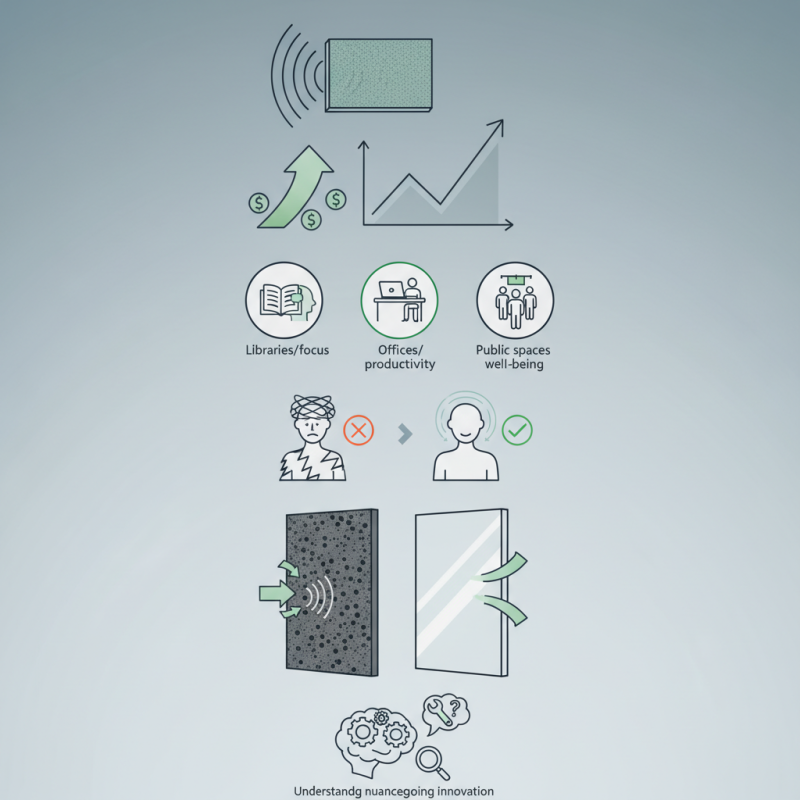
Noise absorbing panels have become essential in managing sound in various environments. According to a recent industry report by Acoustics Today, the global market for acoustic panels is projected to reach $3.5 billion by 2027. This surge highlights the increasing awareness of sound control in offices, libraries, and public spaces. As experts emphasize, uncontrolled noise can lead to reduced productivity and increased stress levels.
Renowned acoustics expert Dr. Jane Thompson states, "Noise absorbing panels can drastically reduce unwanted sound, creating a more harmonious atmosphere." This sentiment reflects the growing demand for effective sound solutions. Noise absorbing panels are designed to trap sound waves, preventing echo and reverberation. However, their effectiveness can vary greatly depending on the material used and installation technique.
Despite advancements, some challenges remain. Users often overlook proper placement and the right materials. Choosing the wrong panel can lead to less-than-optimal results. Understanding these nuances is vital for achieving the desired acoustic environment. The journey to perfect sound control continues, highlighting the need for ongoing discussion and innovation in the field of noise absorbing panels.
What are Noise Absorbing Panels?
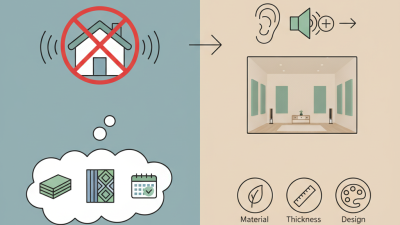
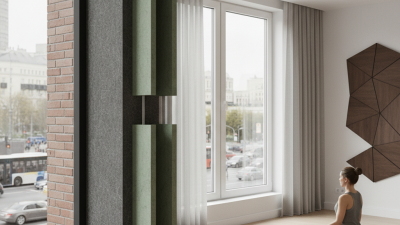
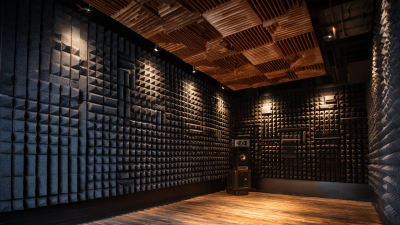
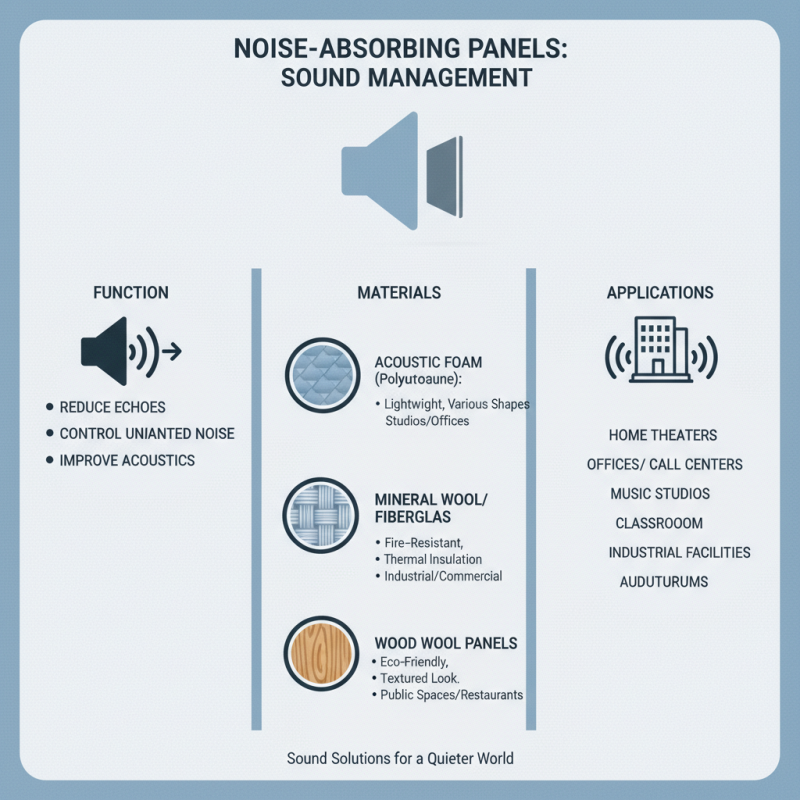
Noise absorbing panels are specialized materials designed to reduce sound reflections and control noise levels in various environments. They are frequently used in offices, schools, and recording studios. These panels are typically made of porous materials such as foam, fabric, or fiberglass. Their structure allows them to trap sound waves, preventing them from bouncing off hard surfaces. This creates a quieter atmosphere.
When installed correctly, noise absorbing panels can significantly enhance sound quality. They help in reducing echoes and other unwanted noises. For example, in a classroom, these panels can make it easier for students to hear their teacher. However, not every installation is perfect. Sometimes, panels may not cover all reflective surfaces. This might lead to uneven sound absorption, leaving some areas still noisy.
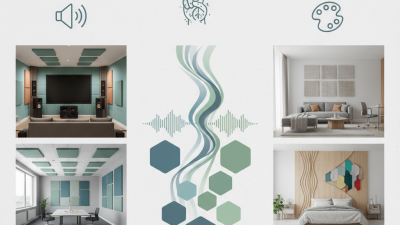
Visually, these panels come in various shapes and colors, allowing for creative designs. Yet, sometimes the aesthetic choices may conflict with their acoustic effectiveness. It’s important to balance both form and function. While they can improve sound quality, one must carefully consider placement and quantity. A random arrangement may disappoint, leaving some areas lacking desired silence.
Noise Absorbing Panels Effectiveness
The Science Behind Sound Absorption
Noise absorbing panels play a significant role in acoustic management. They are designed to reduce sound reflections. This helps create a quieter environment. The physics behind sound absorption involves materials that can trap sound waves. These materials help convert sound energy into a small amount of heat.
The effectiveness of noise absorbing panels depends on their density and thickness. Softer materials tend to absorb sound better than hard surfaces. You may notice that thicker panels are often more effective. However, this can vary significantly based on the installation and the specific ambiance desired. Placement is crucial; a well-placed panel can transform a noisy room into a calm space.
In many settings, such as offices or homes, the sound environment might be overlooked. Excessive noise can lead to distractions or stress. It's important to evaluate acoustic needs. Sometimes, even small adjustments can bring about significant improvements. Yet, the struggle lies in finding the right balance between aesthetics and functionality. The science of sound absorption continues to evolve, offering new insights into creating harmonious spaces.
What is Noise Absorbing Panels and How Do They Work? - The Science Behind Sound Absorption
| Panel Type |
Material |
NRC Rating |
Thickness |
Applications |
| Foam Panels |
Polyurethane Foam |
0.85 |
1 inch |
Recording Studios, Home Theaters |
| Fabric-Wrapped Panels |
Mineral Fiber |
0.90 |
2 inches |
Offices, Conference Rooms |
| Wood Panels |
Wood Fiber |
0.70 |
1.5 inches |
Architectural Spaces, Auditoriums |
| Polyester Panels |
Recycled Polyester |
0.95 |
2 inches |
Theaters, Classrooms |
| Acoustic Ceiling Tiles |
Fiberglass |
0.75 |
1 inch |
Schools, Offices |
How Noise Absorbing Panels are Installed
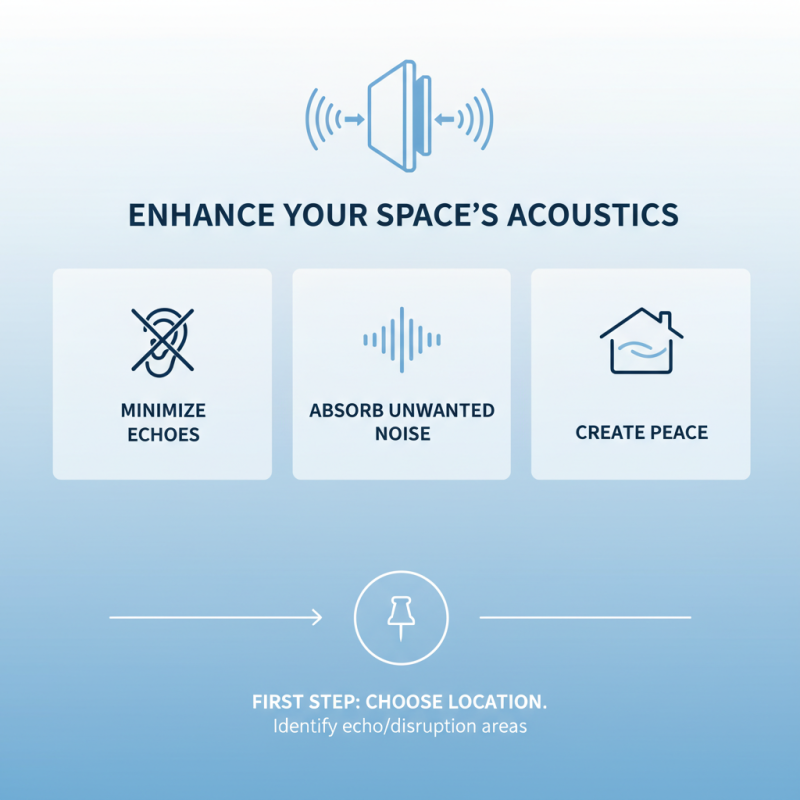
Installing noise-absorbing panels can significantly enhance the acoustics of any space. These panels help to minimize sound reflections. They absorb unwanted noise, creating a more peaceful environment. When deciding to install them, the first step is choosing the right location. Identify areas where sound echoes or disrupts.
Once the locations are determined, it’s essential to gather the necessary tools. You will need a measuring tape, level, and some mounting brackets. Ensure you have a helper if needed. Accurate measurements prevent mistakes. Misalignment can lead to uneven aesthetics or reduced effectiveness. After the measurements, it’s time to prepare the wall surface. Clean any dust or debris, so the adhesive or brackets stick well.
Next, you’ll attach the panels. Align them carefully with your measurements. Press firmly or secure with brackets as required. Allow the adhesive to cure, following the manufacturer’s instructions. Many people rush this part, leading to panels falling off. Lastly, evaluate the results. Standing back to listen can reveal where adjustments may be needed. Sometimes, achieving the ideal sound absorption takes refinement and patience.
Benefits of Using Noise Absorbing Panels
Noise absorbing panels are a great solution for reducing unwanted sounds in various environments. These panels effectively minimize echoes and sound reverberation. This makes spaces like offices, schools, and homes more comfortable. Improved concentration and communication can be achieved when noise levels are controlled.
One significant benefit of using noise absorbing panels is enhanced productivity. In workplaces, excessive noise distracts employees. Panels help create a quieter environment, allowing for better focus. Many people experience reduced stress levels in such settings. Listening to coworkers becomes easier. This fosters collaboration and teamwork.
Tips for installation: Place panels in areas where sound bounces the most. Corners and open spaces are key spots. Experiment with different materials and colors to match your decor. While panels look good, some may not absorb enough sound. It’s important to test their effectiveness in your setting. Adjust and refine your setup as needed. After all, achieving optimal sound absorption is a continual process.