How to Achieve Effective Sound Proofing in Your Space?
In the world of sound proofing, achieving tranquility in your space is a delicate art. Renowned soundproofing expert, Dr. Emily Carter, emphasizes, "Effective sound proofing combines materials and techniques to create an oasis in a noisy world." Her insight sheds light on how crucial it is to understand the principles behind soundproofing for successful implementation.
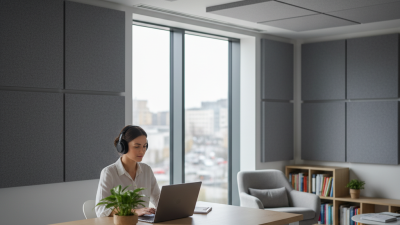
Effective sound proofing involves careful planning and consideration. Selecting the right materials like acoustic panels, mass-loaded vinyl, and soundproof drywall can significantly reduce noise. It's not just about blocking sound; it's also about reducing echo and reverberation within a room. Many overlook the importance of sealing gaps in windows and doors, which can compromise the entire soundproofing effort.
Each space is unique, necessitating a customized approach. People often underestimate their soundproofing needs until they face issues. Assessing your environment can reveal unexpected acoustic problems, prompting a rethink of existing solutions. When executed properly, sound proofing can transform any area, providing peace and focus even amidst chaos.

Understanding the Importance of Sound Proofing in Interior Spaces
Sound proofing is crucial for creating tranquility within interior spaces. Effective sound proofing minimizes unwanted noise and enhances comfort. It also contributes to productivity and mental well-being. By understanding the significance of sound insulation, you can transform a noisy environment into a peaceful sanctuary.
When considering sound proofing, think about the materials used. Thick carpets and curtains can absorb sound. Wall panels made from acoustical materials help too. Remember, even furniture placement matters. Arrange bookshelves against shared walls to muffle noise.
Here are some quick tips. Use weatherstripping on doors to block sound leaks. Seal gaps around windows with caulk. Focus on soundproofing your ceiling and floors as well. Adding a layer of drywall can significantly reduce noise transfer. These small changes can yield noticeable results in ambiance. Sound proofing may require trial and error, but the end result is worth the effort.
Identifying Common Sources of Noise Pollution in Your Environment
In urban environments, noise pollution is a significant issue. Common sources include traffic, construction, and loud neighbors. Understanding these sources is crucial for effective soundproofing. For instance, traffic noise often seeps through windows and walls, creating disturbances during the day and night. Heavy vehicles contribute to this problem, adding vibrations to nearby structures.
Another prevalent source of noise is construction work. This might happen early in the morning or late at night. The sounds of drilling and hammering can disrupt your peace. It's essential to identify these peak hours to develop strategies to mitigate their impact. Additionally, loud music and conversation from neighbors can invade your space. Thin walls or poorly placed furniture may allow these sounds to penetrate more easily.
Addressing these issues requires tangible steps. Adding thick curtains can help reduce outside noise. Using rugs can absorb sound and prevent echo. However, perfect soundproofing is almost impossible. There will always be some level of external noise. It's vital to reflect on what types of sounds are most bothersome and how best to adapt to them.
Common Sources of Noise Pollution in Urban Environments
Evaluating Different Sound Proofing Materials and Their Effectiveness
When considering effective soundproofing, the choice of materials is crucial. Mass-loaded vinyl (MLV) is a popular option due to its density. It blocks sound waves effectively. Installing it in walls, ceilings, or floors can significantly reduce noise transfer. It’s easy to apply. However, it might not absorb sound as well as other materials.
Acoustic foam panels are another solution. They absorb sound rather than blocking it. These panels work best in spaces like studios or home theaters. They come in various shapes and sizes. Installation is often as simple as peeling and sticking. Still, they may not work well for outside noise.
Fiberglass insulation is also worth considering. It offers both thermal and acoustic benefits. Placing it in wall cavities can improve sound absorption. However, it needs careful installation to be effective. Mistakes can lead to gaps, reducing potential benefits. Evaluating these options requires a thoughtful approach. Observing how each material interacts with your space can lead to better outcomes.
How to Achieve Effective Sound Proofing in Your Space? - Evaluating Different Sound Proofing Materials and Their Effectiveness
| Material Type |
Thickness (inches) |
Sound Reduction Index (dB) |
Cost per Square Foot (USD) |
Installation Difficulty (1-5) |
| Acoustic Foam |
2 |
30 |
2.50 |
2 |
| Mass Loaded Vinyl |
0.5 |
40 |
3.00 |
3 |
| Soundproof Drywall |
0.5 |
50 |
4.00 |
4 |
| Acoustic Panels |
1 |
35 |
2.00 |
2 |
| Traffic Noise Barriers |
3 |
45 |
5.00 |
5 |
Implementing Design Strategies for Enhanced Acoustic Comfort
Creating a soundproof environment involves thoughtful design strategies. Utilize
soft furnishings like carpets and curtains to absorb noise. These materials can significantly dampen
sound waves, leading to a quieter space. Wall treatments such as
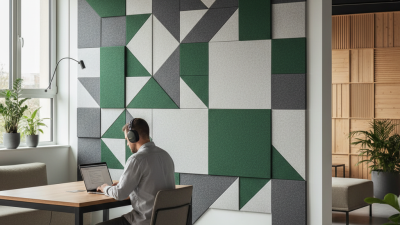
acoustic panels not only enhance aesthetics but also improve sound quality. It’s essential
to consider the layout of your furniture. Arranging items to disrupt sound paths can further reduce unwanted noise.
Adding plants can be a surprising yet effective strategy. They not only
beautify the space but also absorb sound. Consider larger indoor plants for better absorption. Reflect on your existing noise sources.
Are there creaky floors or thin walls? Addressing these can greatly enhance your acoustic comfort.
Lighting plays a role too. Brighter spaces can feel more lively but may also amplify sounds. Experiment with
dimmer lighting to create a softer atmosphere. Each change contributes to overall comfort. Remember, the goal is not just
silence but a comfortable ambiance. Embrace the process of trial and error to
achieve the ideal soundproofing for your unique environment.
Maintaining and Improving Sound Proofing Over Time
Achieving effective sound proofing is not a one-time task. It requires maintenance and improvement over time to ensure optimal performance. According to a report by the Acoustical Society of America, proper sound insulation can lower noise levels by 10-15 decibels. This reduction is vital for creating a peaceful environment.
Regular inspections are crucial in maintaining sound proofing. Check for any gaps in doors and windows where sound may seep through. Seal these openings with acoustic caulk. Additionally, carpets and rugs can significantly absorb sound. Replacing worn-out flooring materials can enhance their effectiveness.
Tip: Use heavy curtains to reduce outside noise. They can absorb sound waves while adding style to your space.
Consider integrating soundproofing materials into your renovations. Materials such as mass-loaded vinyl or acoustic panels can improve soundproofing significantly. They can be costly but investing in quality products pays off in the long run. Be mindful of wear and tear over time. Address any signs of degradation promptly to maintain an effective soundproof environment.
Tip: Perform a yearly assessment of your soundproofing setup. Identify areas needing attention to uphold your desired acoustics.