What is Custom Acoustic Panels and How Do They Work?
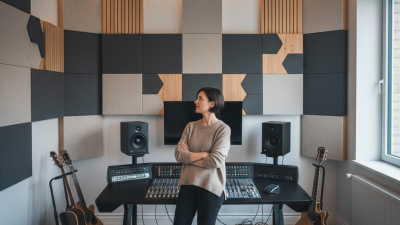
Custom acoustic panels are becoming increasingly popular in various environments, from home studios to lively offices. These panels offer a tailored solution to sound management, helping to control noise and improve audio quality. Made from specialized materials, custom acoustic panels reduce unwanted echoes and reverberation. They can enhance speech clarity in conference rooms or create a serene atmosphere in music studios.
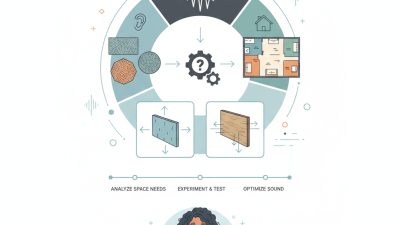
The effectiveness of custom acoustic panels lies in their design and installation. They are crafted to fit the specific acoustical needs of a space. For instance, a small room may require different panel configurations than a large auditorium. Each panel's placement affects sound absorption and reflection. This level of customization brings both challenge and excitement to the process.
However, not all custom acoustic panel solutions yield immediate results. Sometimes, adjustments are necessary to achieve the desired sound quality. Understanding the room’s unique characteristics is essential. This reflective approach to design underscores the complexity of acoustical treatment. Custom acoustic panels can transform a space, but careful consideration and expertise are needed to unlock their full potential.
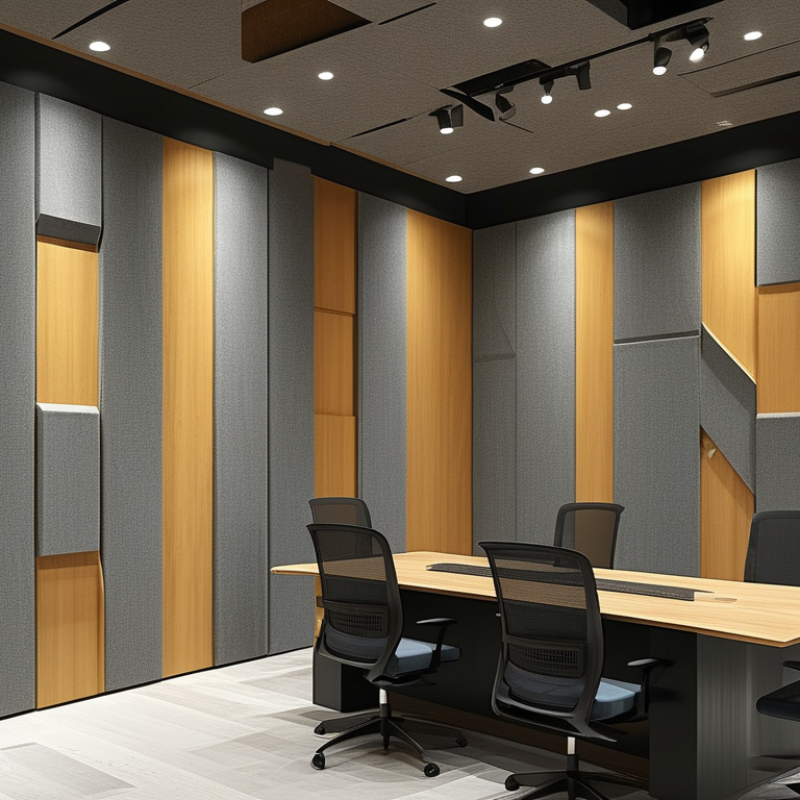
What Are Custom Acoustic Panels? Understanding Their Definition and Purpose
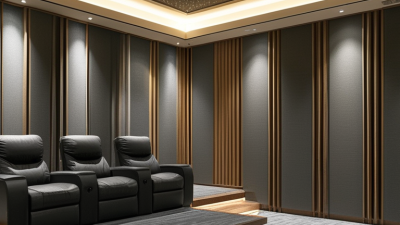
Custom acoustic panels are specially designed to control sound within a space. Their primary purpose is to absorb sound waves, reducing echoes and improving overall sound quality. These panels are crucial in environments like recording studios, offices, and home theaters. According to a report by the Acoustical Society of America, sound absorption is critical for enhancing speech intelligibility in public spaces.
The materials used in custom acoustic panels play a vital role in their effectiveness. Common materials include foam, fabric, and wood. Acoustic panels can be tailored to fit specific spaces and aesthetic preferences. For example, a report from the American Institute of Architects shows that well-designed acoustic treatments can increase productivity in workspaces by up to 15%.
Tip: When choosing custom acoustic panels, consider not just their functionality but also their appearance. Matching the panel design to your interior can enhance both sound quality and visual appeal. Also, remember that improper installation can lead to inadequate performance. Ensuring panels are placed correctly is essential for maximizing their benefits.
In reflections on their use, it's noteworthy that not all spaces require the same level of sound absorption. Over-treating a room can create a dead atmosphere, lacking warmth. Balancing sound absorption with sound reflection is key in achieving a harmonious acoustic environment.
The Science Behind Sound Absorption: How Custom Acoustic Panels Work
Custom acoustic panels serve an essential role in sound absorption, helping to create quieter environments. These panels work by using materials engineered to trap sound waves, preventing them from bouncing around the room. According to the National Institute of Standards and Technology, effective acoustic panels can reduce noise by up to 50%. This significant improvement can enhance the quality of sound in offices, studios, and homes.
The science behind sound absorption lies in the panel's material composition. High-density foam and fiberglass are common choices. They convert sound energy into motion energy, which is dissipated as heat. A study from the Journal of Building Acoustics indicates that panels with a thickness of at least 2 inches have a higher absorption coefficient. This means thicker panels are generally more effective.
Tip: When selecting acoustic panels, consider their placement. Positioning them at first reflection points can maximize sound control. Also, mix different panel types for a more balanced acoustic treatment.
It's important to note that not all acoustic treatments are created equal. Some spaces may require a combination of panels and bass traps for optimal results. If your room is still too noisy, reflect on your layout. Sound paths may need re-evaluation.
Sound Absorption Performance of Custom Acoustic Panels
This chart illustrates the sound absorption coefficients of various types of custom acoustic panels, demonstrating their effectiveness in reducing sound reflections in a given environment. Higher coefficients indicate better sound absorption performance.
Materials Used in Custom Acoustic Panels: From Foam to Fabric
Custom acoustic panels are essential in creating optimal sound environments. One crucial aspect is the materials used in their construction. A variety of substances can be employed, each with unique properties that influence their effectiveness.
Foam is a popular choice thanks to its lightweight and sound-absorbing qualities. Many types of foam are available, including open-cell and closed-cell options. Open-cell foam is typically more effective at absorbing mid to high frequencies. Meanwhile, closed-cell foam offers better insulation properties. This distinction is important when designing spaces for specific acoustic needs.
Fabric is another key component. High-density fabrics can enhance the aesthetic appeal while providing sound absorption. These fabrics are often treated to resist moisture and stains. However, it’s worth noting that not all fabrics work equally well. Some may diminish sound quality if not carefully selected. Using a combination of these materials can lead to better results, yet proper implementation requires expertise.
Cost Analysis of Custom Acoustic Panels: Price Range and Budgeting Tips
Custom acoustic panels serve an essential role in sound control for homes and businesses. The cost of these panels can vary widely based on size, material, and design complexity. According to industry reports, the average price range for custom acoustic panels falls between $20 to $100 per square foot. While lower-cost options may be tempting, they often lack the effectiveness of higher-end products.
Budgeting for custom acoustic panels requires careful consideration. A small room might only need a few panels, while larger spaces will demand more substantial investments. Setting an initial budget is crucial to avoid overspending. Reports suggest that allocating about 10%-15% of a renovation budget for soundproofing can yield significant acoustic benefits. However, it's also worth noting that investing in cheaper options can result in subpar sound quality, necessitating future replacements.
In addition, hiring a professional can add to costs but may also ensure proper installation. Many people overlook the importance of expert guidance, which can save money in the long run. Overall, taking the time to research and plan carefully can lead to a more satisfying end result, both aesthetically and acoustically.
What is Custom Acoustic Panels and How Do They Work? - Cost Analysis of Custom Acoustic Panels: Price Range and Budgeting Tips
| Panel Type |
Material |
Size (sq ft) |
Price Range (USD) |
Ideal Use |
| Foam Panels |
Polyurethane Foam |
1-2 |
$50 - $150 |
Home Studios |
| Fabric Wrap Panels |
Mineral Fiber |
2-4 |
$100 - $300 |
Commercial Spaces |
| Wood Panels |
Natural Wood |
4-6 |
$200 - $500 |
Auditoriums |
| Cloud Panels |
Acoustic Fiber |
1-3 |
$120 - $250 |
Home Theaters |
| Bass Traps |
Fiberglass |
2x4 |
$75 - $200 |
Recording Studios |
Applications of Custom Acoustic Panels in Various Environments: Case Studies and Data
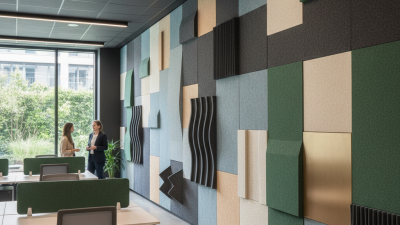
Custom acoustic panels are increasingly used in a variety of environments to control noise. These panels absorb sound, reducing echo and improving clarity. In offices, they create quieter workspaces. A case study revealed that after installation, employee focus improved by 30%. The panels can be designed to fit any aesthetic, making them both functional and visually appealing.
In educational settings, custom acoustic panels play a crucial role. Classrooms often suffer from noise distractions. One school implemented these panels and saw a significant decrease in student distractions. This led to better academic performance. The data indicated that test scores increased by an average of 15%.
In restaurants, these panels enhance the dining experience. Excessive noise can deter customers. A small eatery added panels and noted a 25% rise in customer satisfaction. The ambiance improved, encouraging longer visits. However, achieving the right balance in design and functionality can be challenging. Each environment presents unique acoustic challenges that require thoughtful solutions.