In 2026, choosing noise dampening panels means looking beyond attractive colors and product claims. A quiet-looking room can still feel tiring when voices bounce between bare walls, glass, and a hard floor. Sound expert Julian Treasure has said, “We are losing our listening.” His reminder points to a practical issue: room sound affects how clearly we hear conversations, music, and everyday work.
The best panel depends on the room and the problem. In a home office, speech echo may be the main annoyance. In a media room, reflections can blur dialogue and detail. Panels absorb some sound inside a space; they do not, by themselves, block noise traveling through walls. That distinction matters. A product’s absorption data, panel thickness, placement, and coverage usually tell more than its marketing label. So does the room itself. A rug, curtains, or a bookcase may change the result.
This guide compares noise dampening panels by performance, materials, installation needs, and value. It also explains where published test data helps—and where it leaves questions. A sharp clap near a bare wall can reveal an echo, but it cannot replace a controlled acoustic measurement. There is no universal winner. Even well-reviewed panels can disappoint when they are too thin, poorly placed, or asked to solve the wrong problem. We will weigh those limits, not hide them, so readers can choose with clearer expectations.
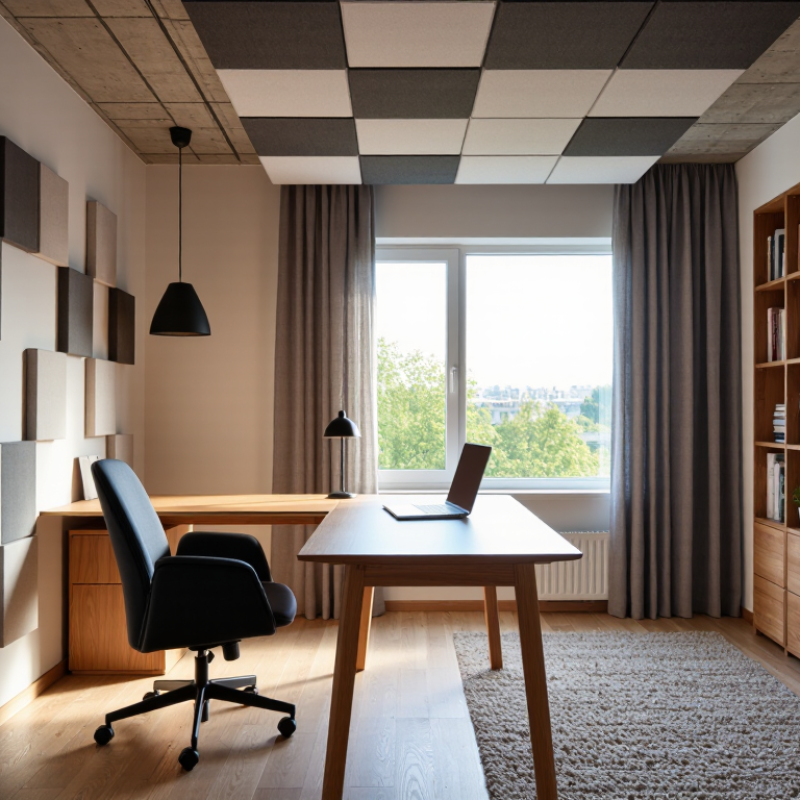
Noise-dampening panels are materials designed to absorb some sound energy inside a room. Their porous or fibrous surfaces reduce sound bouncing between hard walls, floors, and ceilings. This can soften echoes and make speech easier to understand. They change how a room sounds, not necessarily how much sound enters or leaves it. That distinction matters.
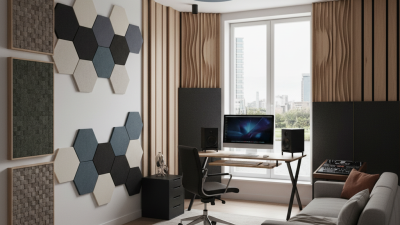
A practical example: in a home office with bare walls, a video call may sound sharp and hollow. Panels placed near the main reflection points can reduce that ringing quality. Thick curtains, rugs, and upholstered furniture may also help, though each affects the room differently. Results depend on panel thickness, coverage, placement, and the sound’s frequency. Bass notes are harder to absorb than higher-pitched speech.
They are not a substitute for sound isolation. Blocking a neighbor’s television usually requires addressing gaps, doors, windows, and wall construction; lightweight panels alone rarely do much. It is easy to overestimate them. Start by listening for echo and identifying reflective surfaces, then test a modest amount of treatment before covering an entire wall. Even careful placement may leave some frequencies untreated, and that can be frustrating.
| Panel type | What it is | What it can do | Best suited for | Typical installation considerations | Main limitation |
|---|---|---|---|---|---|
| Fabric-wrapped fiberglass or mineral-wool panel | A porous, sound-absorbing core covered with acoustically transparent fabric. | Reduces reflected sound and reverberation; thicker panels and an air gap can improve absorption at lower frequencies. | Echo-prone rooms, offices, meeting rooms, studios, and home theaters. | Commonly wall-mounted; ceiling-mounted versions are also available. Check the core, fabric, mounting method, and fire-safety documentation. | Absorbs sound within a room but does not, by itself, stop much sound passing through walls, doors, or windows. |
| Polyester-fiber panel | A lightweight panel made from bonded polyester fibers, often offered in rigid boards or decorative shapes. | Helps control mid- and high-frequency reflections; performance depends on thickness, density, and how it is mounted. | Classrooms, shared work areas, studios, and spaces where lightweight or fiber-based materials are preferred. | Can be attached to walls or suspended as ceiling elements. Confirm the tested acoustic performance and applicable fire rating. | Thin panels are generally less effective at low frequencies than thicker absorbers or panels installed with an air space. |
| Acoustic foam panel | Open-cell foam, commonly sold in wedge, pyramid, or flat profiles. | Reduces some room reflections, especially in the mid and high frequencies, when enough coverage and suitable thickness are used. | Small recording or practice rooms where lightweight, easy-to-cut treatment is useful. | Use products tested for the intended application and follow installation and fire-safety requirements. | Thin foam is not a soundproofing material and usually provides limited control of bass and sound transmission. |
| Perforated or slatted wood panel with an acoustic backing | A decorative facing with holes or gaps, installed over an absorptive backing or cavity. | Can combine sound absorption with a finished architectural appearance; the backing and cavity contribute substantially to performance. | Reception areas, conference rooms, restaurants, and other designed interiors. | Choose based on the complete tested assembly, including the facing, backing, cavity depth, and mounting details. | The wood facing alone is not necessarily absorptive; results vary considerably between assemblies. |
| Acoustic ceiling panel or ceiling cloud | An absorptive panel installed in a ceiling grid or suspended horizontally below a ceiling. | Reduces sound reflections from above and can lower reverberation in a room. | Open-plan offices, classrooms, dining spaces, and rooms with hard ceilings. | Check ceiling-grid compatibility, suspension clearances, structural support, and required fire performance. | Does not seal gaps or provide a substitute for a properly constructed sound-isolating ceiling. |
| Decorative felt or cork panel | A relatively thin surface panel made from felt, cork, or a similar decorative material. | May soften some high-frequency reflections and can provide a pinboard or finished-surface function. | Small rooms and areas where appearance, notices, or light-duty surface treatment are priorities. | Assess the thickness and tested acoustic data rather than judging performance by appearance alone. | Thin decorative panels usually have limited broadband absorption and little effect on sound passing between rooms. |