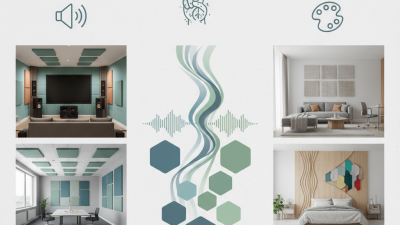
Why Choose Acoustic Wall Tiles for Better Sound Control?
In today's bustling environments, effective sound control has become a crucial factor for comfort and productivity. Acoustic wall tiles are emerging as a popular solution for this issue. According to a report by the Acoustical Society of America, excessive noise can reduce workplace productivity by up to 66%. This stark statistic highlights the need for better sound management strategies.
Acoustic wall tiles are designed to absorb sound and minimize echoes, creating a more serene atmosphere. These tiles come in various materials and designs, allowing for customization in both aesthetics and functionality. Moreover, a survey conducted by Acoustics.org shows that 80% of people experience increased focus in spaces with optimized acoustics.
However, implementing acoustic wall tiles is not without its challenges. Some users may encounter installation difficulties or underestimate the need for professional advice. Additionally, while these tiles can significantly improve sound quality, they may not completely eliminate noise in all situations. A thoughtful approach is essential when integrating acoustic solutions into any space.

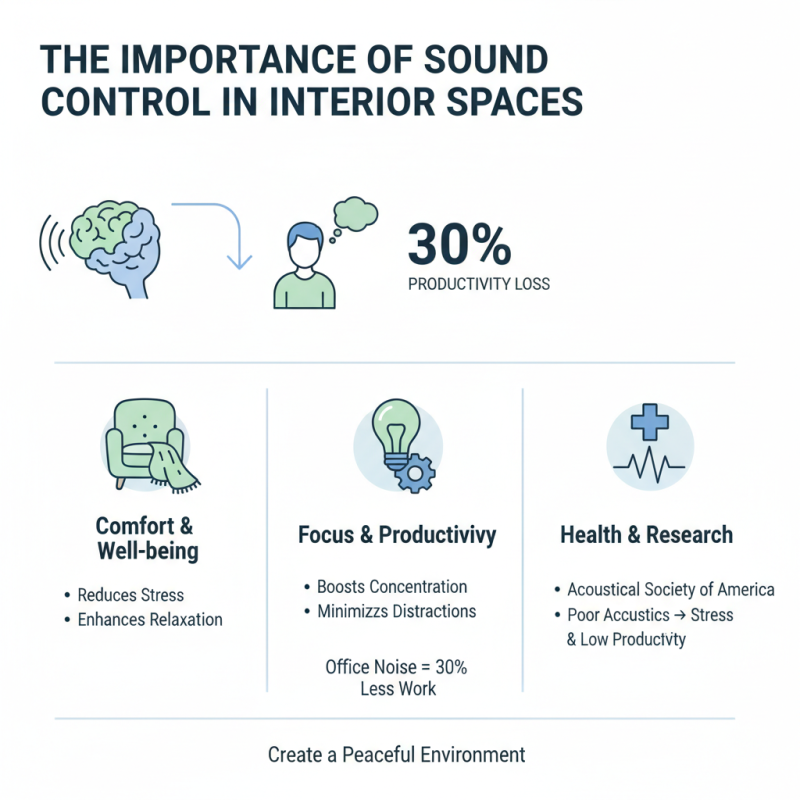
The Importance of Sound Control in Interior Spaces
Sound control in interior spaces is vital for creating a comfortable environment. Research from the Acoustical Society of America indicates that poor acoustic conditions can lead to increased stress levels and decreased productivity. In offices alone, workers lose an estimated 30% of their productivity due to noise disturbances. This highlights the importance of effective sound management.
Acoustic wall tiles offer a practical solution for improving sound control. These tiles absorb sound waves, reducing echo and maintaining clarity in conversations. According to a study by the National Institute of Standards and Technology, spaces with optimal acoustic treatment see a 25% increase in verbal communication effectiveness. However, many still overlook this essential aspect of design, often prioritizing aesthetics over acoustics.
In environments like schools and restaurants, noise can be overwhelming. The World Health Organization suggests that prolonged exposure to such environments can lead to negative health outcomes. Individuals may feel fatigued or find it difficult to focus. Implementing acoustic treatments is critical. Without them, spaces may fail to promote well-being and functionality.
Understanding Acoustic Wall Tiles and Their Functionality
Acoustic wall tiles play a crucial role in enhancing sound control within various environments. These tiles are designed to
absorb sound waves, preventing echoes and reducing overall noise levels. This functionality makes them ideal for spaces like
recording studios, conference rooms, and
home theaters. When sound waves hit the porous surface of these tiles, they break apart and dissipate, resulting in
improved acoustics.
The materials used in acoustic wall tiles vary, but many are made from high-density foam,
fiberglass, or polyester. Each material has unique properties that contribute to sound absorption. For instance, foam tiles are
lightweight and easy to install. Fiberglass options offer better sound reduction, making them a popular choice in
commercial spaces. However, not all installations yield perfect results; careful placement and configuration are essential for
optimal performance.
While great strides have been made in acoustic technology, challenges remain. Improper installation can lead to
uneven sound absorption. Additionally, aesthetic considerations often clash with functionality. It’s
essential to balance design with effective sound control. Properly researching and understanding a space’s acoustic needs can
lead to more successful outcomes when utilizing these tiles.
Benefits of Using Acoustic Wall Tiles for Sound Absorption
Acoustic wall tiles are increasingly recognized for their significance in sound control. They enhance sound absorption, making spaces quieter and more comfortable. Studies indicate that well-implemented acoustic solutions can reduce noise levels by 30% to 50% in crowded environments. This transformation can directly improve focus and productivity, especially in open offices and educational institutions.
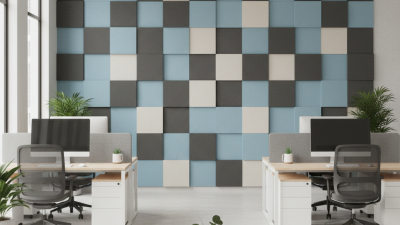
Installing these tiles can also create a more appealing aesthetic. They come in various designs and colors, allowing customization to fit any interior. This flexibility can enhance user experience while improving acoustics. According to the Acoustical Society of America, sound absorption can significantly influence communication and understanding within a space.
Tips: To maximize their effectiveness, ensure the tiles cover high-reflection surfaces. Regular maintenance is crucial too. Clean your tiles to maintain their appearance and performance, as dust accumulation can reduce their sound absorption capabilities. Remember, the right acoustic solution is a blend of functionality and design. Consider consulting an acoustic expert for tailored advice.
Different Types of Acoustic Wall Tiles Available
Acoustic wall tiles come in various types, each designed to address sound control in unique ways. Foam panels are lightweight and easy to install. They effectively absorb sound, reducing echoes in a room. These tiles are often used in studios or home theaters. Their soft surfaces come in diverse colors, adding aesthetic value.
Textile-covered panels are another option. They offer a warm touch and can match any décor. These panels can be customized. However, they may require more maintenance due to dust accumulation. Experts suggest regular cleaning to preserve their sound-absorbing properties.
Wooden acoustic tiles provide a natural look. They reflect sound as well as absorb it, creating a balanced acoustic environment. Some may find them difficult to install or expensive. However, they add elegance to a room. Each type of tile has its pros and cons. Choosing the right one depends on your specific needs and space design.
Installation Tips for Maximizing Sound Control with Acoustic Tiles
Acoustic wall tiles provide a practical solution for sound control in various environments. Proper installation is crucial to achieve optimal acoustic performance. A report from the Acoustical Society of America indicates that poorly installed tiles can reduce their effectiveness by up to 30%. Therefore, it’s essential to pay attention to the placement and alignment of the tiles during the installation process.
To maximize sound control, begin by analyzing the room's acoustics. Identify areas causing excessive noise or echoes. Survey results show that rooms with a high ceiling benefit from tiles installed at varying heights. This creates a more balanced sound distribution. Use adhesive or mounting systems that suit the tile material to ensure durability. Adhesive methods should be applied evenly to avoid gaps that can diminish performance.
Consider the room’s purpose when selecting tile thickness and density. Thicker tiles typically absorb lower frequencies better. However, dense materials can be challenging to install in tight spaces. Experiment with different arrangements before finalizing the layout. This exploratory approach can reveal unexpected benefits, as every room has unique acoustic properties.
Maintenance is also necessary; check tiles periodically for damage. A proactive approach will ensure sustained sound control effectiveness.